
Cantilever Awnings Sydney Businesses Can Rely On
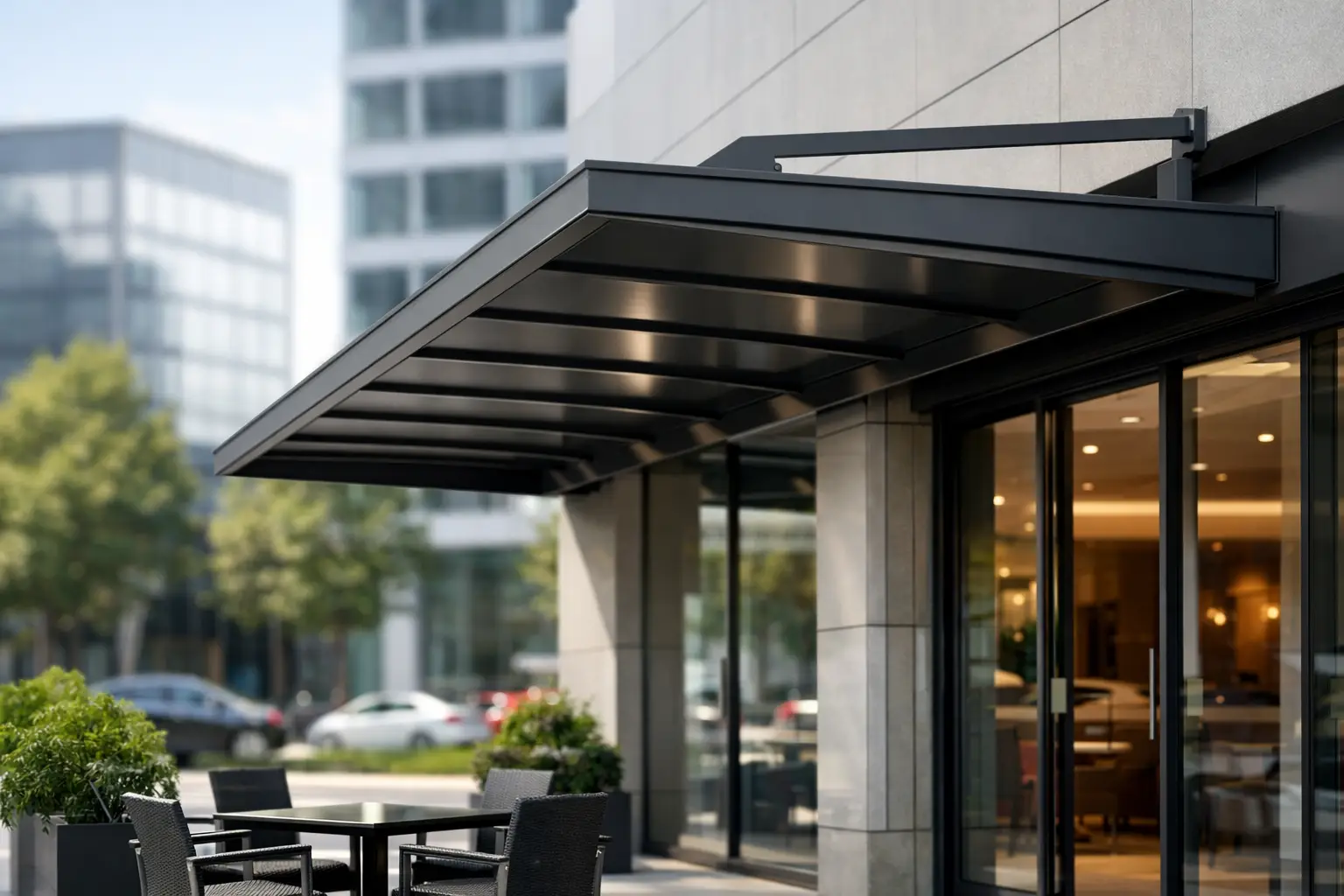
A shopfront awning has to do more than look tidy from the street. It has to protect customers at the entry, handle weather, suit the building, and stand up to daily wear in a busy public setting. That is why cantilever awnings Sydney business owners and property managers choose are usually driven by practical needs first, not just appearance.
For many commercial sites, a cantilever design makes sense because it delivers overhead cover without front posts getting in the way. That matters on narrow footpaths, active retail strips, hospitality frontages, and buildings where access, sightlines, and pedestrian flow all need to stay clear. When the awning is built properly, it gives the premises a stronger street presence while still doing the hard work of weather protection and public safety.
Why cantilever awnings suit commercial sites
A cantilever awning is supported from the building structure rather than from posts at the front edge. In simple terms, the awning projects outward while the main support is engineered back into the facade or structural frame. For a commercial frontage, that can be a major advantage.
The biggest gain is clear access. There are no front posts creating trip hazards, blocking windows, or complicating furniture layouts outside a cafe or shop. Customers can move freely in and out of the premises, staff can work around the frontage more easily, and the awning line often looks cleaner and more professional from the street.
That does not mean cantilever awnings are the right answer for every building. The existing structure has to be suitable for the load, and the awning needs to be designed around the site conditions, not copied from another job. Older buildings, damaged facades, and non-standard tenancy fit-outs can all affect what is possible. This is where experience matters, because what looks straightforward on paper can become more involved once the existing frontage is opened up and inspected.
What matters most in cantilever awnings Sydney projects
On a live commercial site, the build quality behind the cladding matters just as much as the finished look. A cantilever awning carries load back to the building, so structural integrity is not something to treat lightly. The design, fixings, steelwork, waterproofing, and connection points all have to work together.
Structural support and engineering
The first question is whether the building can support the awning properly. In some cases, the answer is straightforward. In others, extra steel support, modifications, or engineering review may be needed. If engineer certification is required, it should be treated as part of the job, not an afterthought once fabrication has already started.
For owners and property managers, this is one of the main trade-offs. A cantilever awning can deliver a cleaner finish and better access than a post-supported structure, but it can also demand more from the building itself. If the facade is weak, deteriorated, or altered from previous works, the installation may need more preparation than expected.
Compliance and public safety
Any awning project over a public-facing entry or footpath needs to be handled with safety in mind from day one. This covers demolition if an old awning needs removal, site control during works, safe installation methods, and a finished structure that is properly secured and compliant.
For occupied premises, staging matters too. A retail shop, food venue, or medical practice often cannot afford unnecessary downtime. The work has to be planned around trading hours, deliveries, neighbouring tenants, and public access. A good awning contractor does not just install steel and sheeting. They manage the practical reality of working in a live commercial environment.
Finish and presentation
Street appeal still counts. A shopfront is part of how the business presents itself, and a tired or poorly built awning sends the wrong message. The right cantilever awning should suit the width of the frontage, the signage zone, and the style of the building without looking overbuilt or flimsy.
Clean lines, solid fabrication, neat flashing details, and a professional finish all matter. So does durability. A commercial awning should not look sharp on handover and then start showing problems six months later because corners were cut on materials or workmanship.
New install, replacement or repair?
Not every awning job starts from scratch. Some frontages need a full replacement because the existing structure is unsafe, rusted, damaged, or no longer fit for purpose. Others can be repaired if the main frame is still sound and the issue is limited to cladding, water ingress, impact damage, or surface deterioration.
This is where a straight answer is worth more than a sales pitch. If the awning can be repaired safely and economically, that should be on the table. If it is past that point, patching it up only delays a bigger problem. Commercial clients usually want the same thing - a clear scope, an honest quote, and confidence that the recommendation matches the condition of the structure.
Replacement jobs also create a chance to improve the frontage instead of simply rebuilding what was there before. The original awning might have poor drainage, awkward proportions, dated fascia details, or supports that interfere with access. A new cantilever design can often fix those issues while giving the tenancy a cleaner, more usable entry.
How the right awning protects the business
Weather protection is the obvious benefit, but it is not the only one. A well-built cantilever awning helps keep entries drier, reduces exposure around doors and display windows, and creates a more comfortable approach for customers. For hospitality venues, that can improve how the frontage works during light rain and harsh sun. For retail, it helps maintain visibility and access at the entry.
There is also a maintenance angle. Water running back into the facade, pooling at bad junctions, or dripping across the shopfront can cause expensive problems over time. Good design and proper installation reduce the chance of those issues taking hold.
Then there is business presentation. A neat, well-finished awning can sharpen the look of the whole premises. That matters for established operators trying to maintain standards, and it matters for new fit-outs where first impressions count. People notice whether a frontage looks properly built.
Choosing a contractor for cantilever awnings Sydney wide
If you are comparing contractors, it pays to look past broad promises and focus on capability. Cantilever awnings are not just another general building task. They sit at the intersection of fabrication, installation, demolition, compliance, and finish quality.
Ask how the site will be assessed, what structural support is being relied on, whether certification is required, and how public safety will be managed during the job. If an old awning is being removed, ask who is handling demolition and what protections will be in place for pedestrians and neighbouring premises. If the frontage is active during works, ask how disruption will be managed.
Experience with commercial shopfronts matters because these jobs rarely happen in ideal conditions. There may be restricted access, ageing structures, hidden defects, signage considerations, and pressure to keep the tenancy operating. A contractor with real project experience will usually spot the risks earlier and communicate them more clearly.
This is also where workmanship and communication go together. Clients want a contractor who turns up, explains the scope properly, gives a realistic timeframe, and stands behind the finished work. That no-nonsense approach is one reason commercial clients continue to work with specialists like Advanced Awnings on repeat projects.
A practical investment, not just a facade upgrade
The best awning jobs solve more than one problem at once. They improve presentation, protect the entry, maintain access, and give the frontage a structure that suits daily commercial use. With cantilever awnings, the value is often in what they leave out - no front posts, fewer access obstacles, and a cleaner path between the business and the street.
But the outcome depends on getting the basics right. The structure has to suit the building. The installation has to be safe. The finish has to hold up. And the advice has to be honest about whether the site is best served by a new build, a replacement, or a targeted repair.
If you are planning work on a street-facing commercial property, the right awning should make the site easier to run, not harder to maintain. That is usually the difference between a job that only looks good at handover and one that keeps doing its job for years.