Awning Safety Standards Updates That Matter
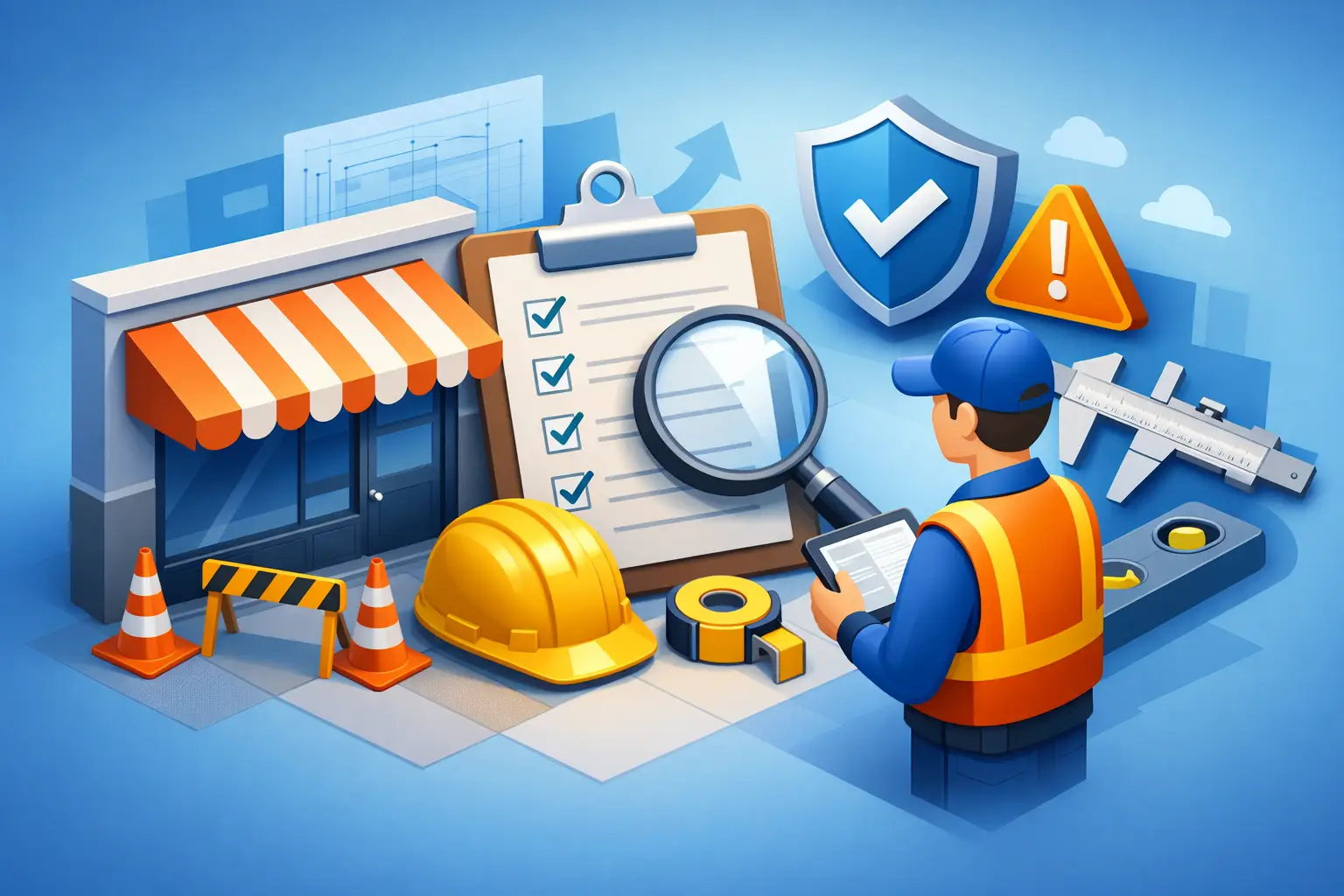
A shop front awning can look solid enough from the street and still be carrying risk above people’s heads. That is why awning safety standards updates are not just paperwork for certifiers or builders. For owners, landlords and site managers, they affect whether an awning is safe to keep, safe to repair, or needs proper replacement before it becomes a public hazard.
On a busy commercial frontage, the margin for error is small. Pedestrians move underneath, staff work near entries, deliveries come and go, and trades often need to operate in live environments. If standards shift, or enforcement tightens, the real question is simple: does your existing awning still stack up, and if not, what needs to happen next?
Why awning safety standards updates matter on real sites
Standards do not change in a vacuum. They usually move because failures, engineering learnings, material performance issues or risk controls have shown that older methods are no longer good enough. In practical terms, that means details once considered acceptable may now need closer scrutiny.
For commercial awnings, the biggest issues tend to be structural adequacy, corrosion, water ingress, fixings, edge stability, drainage, and the way loads are transferred back into the building. Wind loading is a major factor as well. A large street-facing awning catches more force than many owners realise, especially on exposed corners or wide frontages.
The other reason updates matter is liability. If an awning fails and causes injury or property damage, questions will be asked about inspection history, maintenance decisions, engineer involvement, and whether the work was carried out to current requirements. Leaving an old awning untouched because it has "always been there" is rarely a strong position.
What usually changes in awning safety standards updates
Not every update means every awning must be ripped down and rebuilt. That is not how compliance works in most cases. But changes often affect how new work is designed, how repairs are assessed, and what evidence is needed to show a structure is safe.
Structural design and certification
One common area is engineering review. Older awnings may have been built under previous assumptions, with limited documentation still available. Newer expectations can place more weight on formal design verification, especially where there is major alteration, replacement, or concern about the original support system.
That matters when a client wants a quick cosmetic refresh but the supporting frame has hidden deterioration. Once the structure is opened up, patched fixes may no longer be enough. A proper engineer’s assessment may be the difference between a safe repair and simply covering a bigger problem.
Wind loads and fixing details
Wind requirements can drive major changes in awning construction. It is not just about the roof sheeting or canopy skin. The real issue is how brackets, anchors, posts, beams and connection points behave under uplift and lateral load.
On older shop fronts, we often see fixings that have been exposed to weather, movement or rust for years. Even where the awning still looks straight, the holding power at key points may have reduced. Updated requirements can mean those connection details need strengthening or full replacement rather than another short-term repair.
Materials, corrosion and durability
Safety is not only about strength on day one. It is also about how the awning performs over time. Standards and compliance expectations often put more focus on durability, especially where steelwork, fasteners and coverings are exposed to moisture, coastal conditions, or poor drainage.
This is where owners can get caught out. A rusted frame, failed seal, ponding water issue or degraded sheet edge may look like a maintenance item, but over time it can compromise the entire structure. Updated standards tend to reinforce the need for suitable materials, proper detailing and preventative maintenance, not just reactive patch-ups.
How to assess an existing awning after standards change
The right response depends on the condition of the awning, the age of the structure, and what work is being proposed. There is a big difference between a stable awning needing surface repairs and a deteriorated structure with movement, water damage and unknown fixing capacity.
The first step is usually a practical site inspection. That should look beyond visible cladding and signage to the actual support system. You want to know whether there is corrosion in concealed sections, whether fixings are sound, whether there are signs of sagging or movement, and whether water has been getting into areas it should not.
If the awning is part of a larger refurbishment, demolition or tenancy change, it is worth being more cautious. Once additional loads, altered signage, new lighting or façade changes are introduced, the original design assumptions may no longer apply. What was adequate before may not remain adequate after the upgrade.
Repair, reinforce or replace?
This is where experience matters. Not every awning needs full replacement, but not every awning should be repaired either. Some structures can be brought back to a safe, compliant standard with targeted steel repairs, new sheeting, upgraded brackets and certified engineering input. Others are too far gone, too poorly documented, or too compromised to justify piecemeal work.
Owners usually want the most cost-effective path, which is fair enough. But the cheapest option on day one can become the expensive one if it leads to repeat closures, emergency make-safe works or a failed inspection later. A straight answer early saves money.
What commercial property owners should be watching for
If you are responsible for a street-facing awning, there are a few warning signs that deserve attention. Water staining near the wall line, rust bleeding, loose panels, visible deflection, cracked joints, movement in wind, and recurring leaks are all worth checking properly. So is any unexplained noise from the structure.
Another red flag is missing documentation. If nobody can confirm how the awning was built, what supports it, whether it has been modified, or when it was last inspected, that is a risk in itself. The older the structure, the more important it is to verify rather than assume.
For property managers and landlords, tenancy turnover is a good trigger point. Before new signage, façade works or fit-out changes go ahead, the awning should be reviewed as part of the broader site condition. It is easier to deal with compliance before handover than after a defect or safety concern is raised.
Awning safety standards updates and live public areas
Street-front awning work is different from back-of-house building work. When repairs, demolition or replacement happen over an active frontage, public safety controls become just as important as structural compliance.
That means access management, overhead protection, exclusion zones, safe sequencing and careful coordination with adjoining tenancies or foot traffic. A compliant design on paper still needs competent site delivery. If demolition is involved, the risk level goes up again, especially where deteriorated steel, unstable framing or hidden defects are present.
This is why specialised awning contractors are usually a better fit than general trades for complex shop front work. The job is not only to install a finished awning. It is to manage the whole process safely, keep the frontage under control, and leave behind a structure that is fit for use and properly documented.
The value of engineer input without overcomplicating the job
Some clients worry that bringing in an engineer means delay, cost blowouts or unnecessary scope. Sometimes that concern is justified if the process is handled badly. But on the right project, engineer certification support keeps decisions clear.
It helps answer the key questions early. Can the existing frame remain? Do the supports need upgrading? Is the repair method suitable? Does the replacement design meet current expectations? That kind of clarity protects both the client and the contractor.
Good project delivery is about keeping it practical. Inspect the structure properly, identify the real risks, get the right certification where needed, and carry out the work to a standard that will last. That approach is a lot more useful than guessing, patching and hoping nobody asks questions later.
In Sydney, where commercial awnings sit above busy pedestrian areas and exposed shop fronts, standards are not something to treat lightly. If there is any doubt about an existing awning, the safest move is to get it looked at before a minor defect turns into a shutdown, a compliance issue or a dangerous failure. Doing the job properly the first time is usually the part that saves trouble later.