How to Choose Awning Installers Sydney
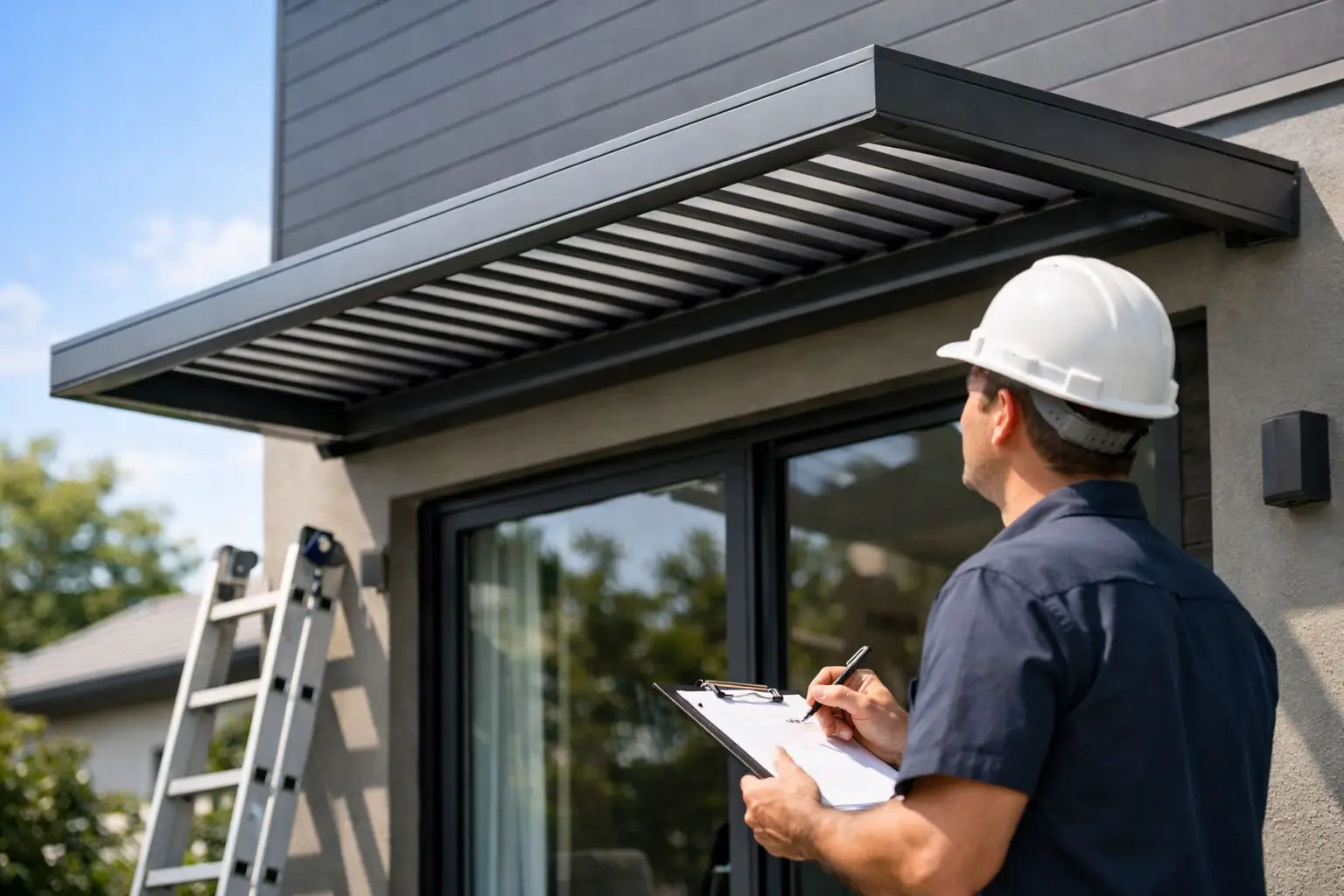
A shopfront awning has to do more than look right from the street. It has to handle weather, suit the building, protect people moving past the site, and stand up to day-to-day commercial use. That is why choosing awning installers Sydney business owners can rely on is less about finding the cheapest quote and more about finding a contractor who can deliver the job properly.
For landlords, builders, retail operators and hospitality venues, the risk is not just poor presentation. A bad installation can create water issues, structural problems, safety hazards over the footpath, and expensive rework later. If the job involves demolition, replacement or repairs on an active frontage, the standard of planning matters just as much as the finished awning.
What good awning installers in Sydney actually bring to a job
Commercial awning work is rarely just a simple install. On many sites, the contractor needs to assess the existing structure, check access, manage pedestrian areas, deal with ageing materials, coordinate fabrication, and make sure the final result is fit for purpose. That takes practical experience, not guesswork.
Good awning installers in Sydney understand that street-facing work comes with extra pressure. The premises may need to stay trading. Tenants may be working underneath the area. Neighbours and passing foot traffic still need to be considered. A contractor who mainly works on residential shade products may not be set up for that kind of environment.
The right team should be comfortable handling the full scope, whether that means a new shop front awning, a replacement to an old canopy, targeted repair work, or safe demolition before a rebuild. They should also be able to speak plainly about what is possible on your site, where the risks sit, and what the job will involve from quote to completion.
Start with experience that matches your type of property
Not all awning work is the same. A café frontage, a retail tenancy in a busy strip, and a commercial building entry all have different requirements. Before you hire anyone, look at whether their past work matches the kind of structure you need.
That sounds obvious, but it gets missed. Some contractors can fabricate and install well enough, but struggle when the job includes public-facing demolition, structural upgrades, repairs to existing framing, or working around trading hours. Others may be fine on a clean new build but not as strong when dealing with old shopfront conditions and awkward access.
If your site is exposed to regular pedestrian traffic, vehicle movement or neighbouring tenancies, ask how they manage safety and staging. If the awning is being replaced rather than installed from scratch, ask what they expect to find once the old structure comes down. Experience shows up in those answers.
Safety is not a side issue
With commercial awnings, safety starts well before installation day. It affects demolition, lifting, overhead work, traffic around the frontage and how the site is left at the end of each stage. If there is any doubt around structural condition, that needs to be handled properly rather than pushed aside to get the job moving.
This is where experienced contractors separate themselves. They know that a tidy-looking quote means very little if the site controls are poor or the work creates avoidable risk to staff, customers or the public. For shopfronts on busy strips, safety planning is part of the workmanship.
It is also worth checking whether the contractor is properly insured and whether they can assist with engineer’s certification where required. For many owners and property managers, that is not a nice extra. It is part of basic due diligence.
What to ask awning installers Sydney businesses are considering
When you speak to awning installers Sydney has plenty of options, but not all of them will suit commercial work. The best questions are practical ones.
Ask who is managing the job and whether the quote covers demolition, disposal, fabrication, installation and finishing. Ask whether they have handled similar shop front awnings before. Ask what could change the scope once work starts, and how variations are dealt with. Ask how long the site is likely to be affected and whether the premises can remain operational during the works.
You are not looking for a polished sales pitch. You are looking for straight answers. A reliable contractor will usually tell you where the job is simple, where it is not, and what needs to be confirmed before work begins.
Repairs versus replacement - when each makes sense
A lot of commercial clients start by asking for a repair because they want to avoid the cost of a full replacement. Sometimes that is the right call. If the issue is limited to sections of cladding, minor water entry, local damage or ageing components that can be safely renewed, a repair can extend the life of the awning and improve presentation without rebuilding the whole structure.
Other times, patching an old awning only delays a bigger problem. If the frame is deteriorated, the design no longer suits the site, or the awning has ongoing leaks and movement issues, replacement may be the smarter spend. The upfront cost is higher, but repeated repair callouts can add up fast when the underlying structure is already compromised.
A good contractor will not force one answer on every site. They will inspect the condition, explain the trade-offs, and give you a realistic view of whether the existing awning is worth saving.
Compliance and certification matter more than most clients expect
Plenty of people focus on finish, fascia and street appeal first. Fair enough - the awning is part of how the business presents itself. But compliance matters just as much, especially on commercial frontages where structures extend over public areas.
Depending on the job, there may be structural considerations, approvals, and engineer input to work through. This is one reason specialist commercial awning contractors are valuable. They understand that the job is not complete when the sheeting goes on and the site is swept up. The documentation side needs to stack up as well.
For builders and property managers, this is often where delays creep in. If the installer cannot help navigate the certification side, the project slows down and responsibilities get blurred. It is better to ask that question early than chase paperwork after the fact.
Why workmanship still decides the long-term result
A commercial awning gets tested quickly. Sun, wind, rain, grime and constant public visibility all work against it. If the detailing is poor, you will usually see it soon enough - uneven finishes, rattling sections, poor drainage, visible patching, loose edges or early wear.
Workmanship is not just about neat lines. It affects durability, weather performance and how much maintenance the awning needs over time. A properly built and fitted awning should look clean from the street, but it should also feel solid and perform as intended.
That is why specialist providers like Advanced Awnings focus heavily on the practical side of delivery. Commercial clients do not need fancy language. They need a contractor who turns up, quotes clearly, manages risk, and finishes the work to a standard that holds up.
The cheapest quote can cost more
Every client has a budget, and no one wants to overspend. But with shop front awnings, the lowest quote is not always the best value. If it leaves out demolition, site protection, disposal, structural rectification or proper finishing, you may only be looking at part of the real cost.
There is also the cost of disruption. If the job runs over time, affects trading, or needs to be redone because corners were cut, the price difference disappears quickly. For commercial sites, reliability has value. So does clear communication.
A fair quote should tell you what is included, what assumptions have been made, and where unknowns may sit. That gives you something solid to compare, rather than just a number at the bottom of the page.
Choosing a contractor you can work with
Most commercial clients are not looking for drama. They want a straightforward contractor who answers the phone, shows up when expected and deals with issues directly. That matters on project day just as much as technical skill.
If you are comparing providers, pay attention to how they communicate during the quoting stage. Are they clear? Do they ask sensible questions about access, site conditions and timing? Do they explain the process in plain terms? Those early interactions usually reflect how the job will be handled later.
The best awning contractors are not the ones making the biggest promises. They are the ones who know the work, understand live commercial sites, and take the safety and finish seriously from start to finish.
If your awning needs repair, replacement or a full new installation, take the time to choose a team that treats the job like a real commercial structure, not just a sign over a doorway. That usually leads to fewer surprises, a better result on site, and one less thing to worry about once the frontage is back in use.