Who Is Responsible for Awning Repairs?
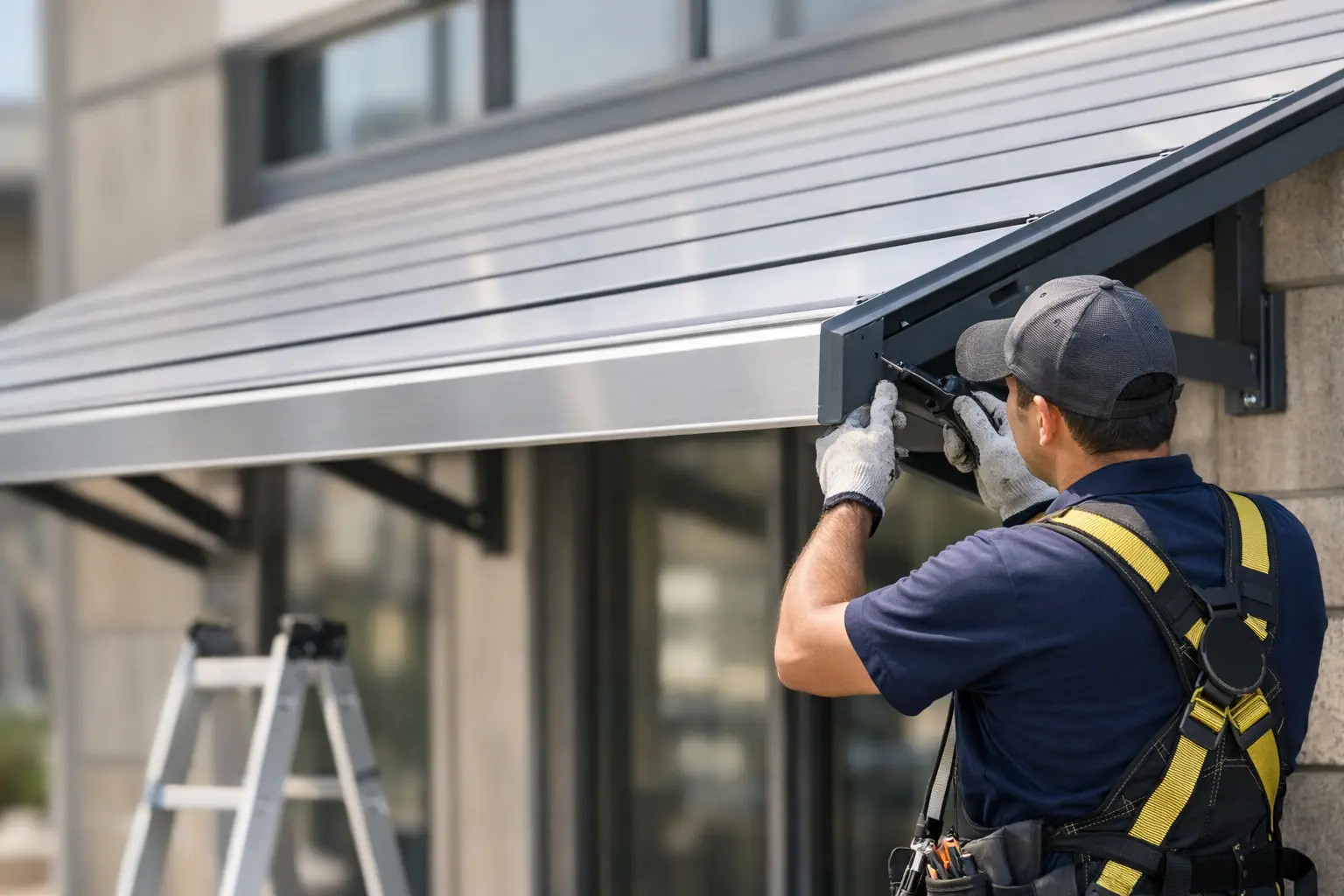
A loose panel over a shopfront is not the kind of problem you leave for next week. If the awning is rattling, sagging, leaking or showing rust, the question of who is responsible for awning repairs becomes urgent very quickly. In a commercial setting, it is not just about cost. It is about public safety, tenancy obligations, building compliance and keeping the business trading without unnecessary risk.
The short answer is that responsibility depends on who owns the awning, what the lease says, how the damage happened and whether the structure serves one tenancy or the wider building. That means there is no one-size-fits-all answer. But there are clear patterns, and if you understand them early, you can avoid delays, disputes and unsafe temporary fixes.
Who is responsible for awning repairs in most cases?
For most commercial properties, the landlord is responsible for structural elements of the building. If the awning is fixed to the building and forms part of the base structure, repair responsibility usually sits with the property owner. That is often the case with older shopfront awnings, steel-framed canopies and permanent street-facing structures attached to the façade.
A tenant, however, may be responsible for non-structural items, damage they caused, or elements they added themselves. If a business installed signage, lighting, decorative cladding or tenant-specific fit-out components onto the awning, those additions may fall back on the tenant to maintain or remove.
This is where people come unstuck. One party assumes the awning is part of the building. The other argues it was modified for the tenant’s use. Meanwhile, the awning is still unsafe. The right move is to check the lease, confirm ownership of the structure and get the condition assessed properly.
Start with the lease, not assumptions
In commercial property, the lease is usually the first place to look. A good lease will spell out who maintains structural elements, who covers repairs from day-to-day use, and who takes care of items damaged by the tenant, staff or contractors.
Some leases put general maintenance on the tenant but keep major capital or structural repairs with the landlord. Others push more responsibility onto the tenant, especially in long-term retail or hospitality leases. If the wording refers to keeping the premises in good repair, that still may not mean the tenant is automatically responsible for a deteriorating awning frame that has failed due to age, corrosion or poor original installation.
The key difference is often maintenance versus structural rectification. Cleaning gutters, clearing debris and reporting defects early may be a tenant obligation. Replacing rusted steel members, rebuilding damaged framing or making the awning safe after structural failure is more commonly an owner responsibility.
If the lease is vague, legal advice may be needed. But from a practical job site point of view, safety should come first. If the awning presents a risk to pedestrians or customers, it needs to be made safe before the paperwork argument drags on.
Landlord responsibility for structural awning issues
Where the awning is part of the building structure, landlords are generally on the hook for repairs tied to age, weathering, corrosion, water ingress, material failure or building defects. That includes cases where the awning has simply reached the end of its service life.
This matters more than many owners realise. A shopfront awning is exposed all year. It takes sun, wind, rain, airborne salt in some areas and the constant movement that comes with a busy commercial strip. Over time, fixings loosen, sheet material degrades, drainage fails and concealed rust starts doing damage behind the finished surfaces.
If a landlord delays too long, a simple repair can turn into demolition and replacement. That is not scare talk. It is just how neglected external structures behave. A minor leak can rot substrates. Corrosion around brackets can compromise load paths. A cracked panel can become a public hazard in high winds.
For owners, acting early is usually the cheaper decision.
When tenants may be responsible
Tenants may be responsible where the damage is directly linked to their operations, their contractors or unauthorised alterations. If someone fixed heavy signage to the awning without proper engineering consideration and the structure distorted, that may not be the landlord’s problem. The same applies if grease, moisture or service penetrations from a commercial kitchen contributed to premature deterioration in an awning over a hospitality tenancy.
Tenants can also carry responsibility if the lease specifically requires them to maintain the shopfront presentation, including awning finishes, lighting or attached branding elements. In some fit-out arrangements, the awning may have been supplied for that tenant’s exclusive use and modified as part of the tenancy works.
That said, a tenant is not usually expected to take on hidden structural defects they did not create, especially if those defects relate to the building itself. The line can get blurry, which is why clear documentation matters.
What about strata properties?
Strata adds another layer. If the commercial premises sit within a strata building, the awning may be common property, part of the lot, or a structure altered under a by-law. Responsibility then depends on the strata plan, any exclusive use rights and any approved alterations.
In many strata setups, the owners corporation is responsible for common property repairs. If the awning projects over a shared frontage and forms part of the external building envelope, that often points towards strata responsibility. But if the lot owner or tenant installed a custom awning later, responsibility may sit with the party that carried out the alteration.
This is one area where guessing is expensive. Before repair work starts, it is worth confirming whether approvals, engineer input or strata consent are required. That avoids the common situation where one party books works, only to find the building manager or strata committee stops the job halfway through.
Insurance can help, but it does not decide responsibility
People often assume insurance answers the question. It can help with the cost, but it does not automatically decide who is responsible for awning repairs. Liability still turns on ownership, lease obligations and the cause of damage.
If the awning was damaged by storm, vehicle impact, vandalism or another insured event, the insurer may cover some or all of the repair. If the issue is long-term wear, rust, lack of maintenance or poor original workmanship, insurance may not respond at all.
That distinction matters. Deferred maintenance is rarely treated the same way as sudden accidental damage. So if the awning has been deteriorating for years, it is risky to assume an insurer will pick up the tab.
Why urgent defects should not wait for a dispute to settle
From a contractor’s point of view, the biggest risk is often delay. A visibly compromised awning over a public area is not just a property issue. It can become a safety and liability issue very fast.
If there is movement, loose sheeting, failing brackets, rusted steel, water-bulging linings or anything that could detach onto the footpath, the site needs immediate attention. Temporary make-safe work, exclusion zones or controlled demolition may be necessary before a final repair scope is even priced.
This is where experienced commercial awning contractors earn their keep. The job is not only about replacing material. It is about assessing whether the structure is safe, what can be retained, what needs certification and how to carry out the works without creating more risk around a live business frontage.
Practical signs that point to a structural repair
Not every awning problem is cosmetic. Paint failure and minor sheet dents are one thing. But if you can see sagging, heavy rust staining, splitting around fixings, water pooling, movement in wind or sections pulling away from the building, the issue may be structural.
Older shopfront awnings in particular can hide serious deterioration behind fascia panels and linings. What looks like a simple external tidy-up can reveal corroded steel, failed timber backing or previous patch repairs that were never designed as a long-term fix. That is why proper inspection matters before anyone promises a cheap repair.
A straight answer early is better than a patch-up that fails again six months later.
How to handle awning repair responsibility the right way
If you are the tenant, notify the landlord or managing agent in writing as soon as you spot a defect. Include photos and note any safety concerns. If you are the owner, review the lease, check whether the awning is original to the building or part of a later fit-out, and arrange an inspection by a contractor who understands commercial awning structures.
If strata is involved, confirm whether the awning is common property before works are approved. If there is storm or impact damage, notify the insurer early, but do not assume that replaces the need to make the site safe.
Most importantly, get the structure looked at by someone who deals with these jobs properly. Commercial awnings are exposed, visible and often sitting over public access. Repairs need to be safe, compliant and suited to how the building actually operates.
For Sydney shopfronts, cafés, retail tenancies and street-facing commercial sites, the safest approach is usually the simplest one: stop arguing over assumptions, check the documents, and get an experienced awning specialist to assess the real condition on site. That is how responsibility becomes clear, and that is how small defects stay small.