Retail Awning Contractor: What to Look For
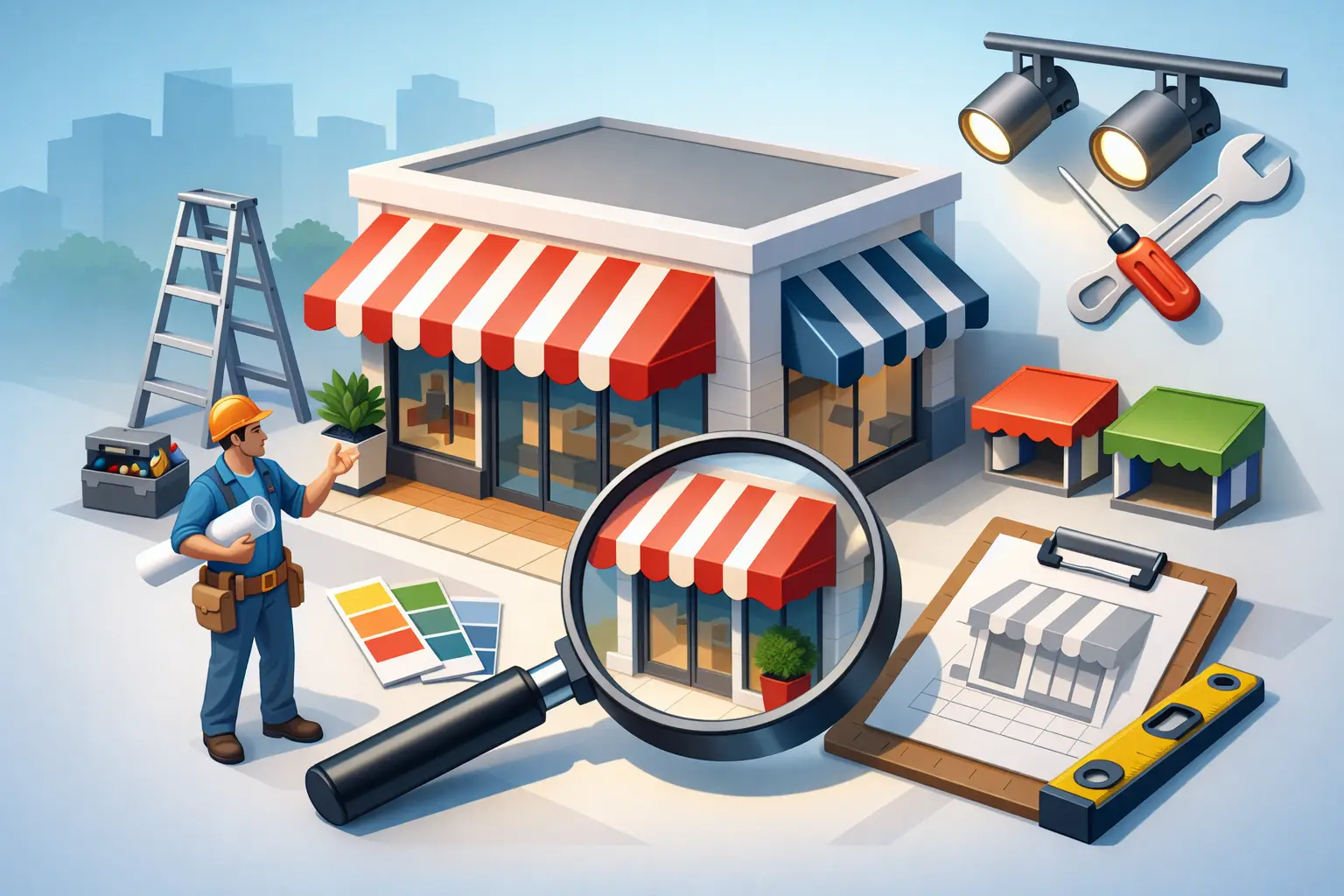
A shopfront awning can look straightforward from the street. On site, it rarely is. Once you factor in pedestrian access, existing structural condition, signage, weather exposure, council requirements and the fact that the business often needs to keep trading, choosing the right retail awning contractor becomes a practical decision, not just a pricing exercise.
For shop owners, landlords, builders and property managers, the real question is simple: can the contractor deliver a safe, compliant and well-finished result without turning the job into a problem? That is where experience matters. A contractor who knows shopfront awnings understands more than fabrication and installation. They understand staging, public safety, defect risk, access constraints and how to keep a commercial frontage presentable while work is underway.
What a retail awning contractor actually does
A good retail awning contractor is not just there to bolt up a canopy and leave. On most commercial jobs, the scope starts earlier and runs deeper than many clients expect.
It may begin with assessing an ageing awning that is leaking, rusting, sagging or no longer fit for purpose. In some cases, repairs are enough. In others, replacement is the smarter option because patching a badly deteriorated structure only delays the bigger cost. The right contractor should be able to tell the difference and explain it clearly.
There is also the demolition side of the job, which often gets overlooked until it becomes urgent. Removing an old awning from above a busy footpath or active tenancy is not basic labouring work. It needs planning, safe exclusion zones, proper handling of materials and a method that protects the public, nearby glazing, signage and the building frontage itself.
Then there is installation. A proper installation is about line, finish and durability, but it is also about making sure the awning suits the frontage, works with drainage, handles wind exposure and meets the practical demands of a commercial site. If engineer certification is required, that should be addressed early, not after the structure is already in place.
Why retail awning jobs are different from general building work
Many builders can manage broad fit-out or maintenance works. That does not automatically make them the best choice for awnings. Shopfront awnings sit in a tricky category where appearance, structure and public interface all meet.
The frontage has to look right because it is part of the business image. At the same time, the structure has to perform in weather, hold up over time and avoid creating hazards over entrances and pedestrian areas. Even a minor defect can become a visible issue fast, whether that is ponding water, sheet movement, staining, corrosion or loose components.
This is why specialist experience usually pays off. A contractor who spends real time on commercial awnings tends to spot issues earlier. They know where older structures commonly fail, what can be salvaged, what should be replaced, and how to sequence works with less disruption to tenants and customers.
What to check before hiring a retail awning contractor
Price matters, but it should not be the only filter. A low quote can become expensive if the contractor has missed demolition complexity, access requirements or structural issues hidden behind cladding.
Start with relevant project history. Ask whether the contractor regularly works on retail and street-facing commercial premises. There is a big difference between installing shade structures in a low-risk area and working above an active shopfront where public safety and presentation are under constant scrutiny.
Insurance and safety approach should be non-negotiable. If the contractor cannot speak plainly about site controls, pedestrian management and how they protect adjacent property, that is a warning sign. The same goes for certification. If engineering input may be needed, it should be part of the conversation from the quote stage.
You also want clarity around scope. Does the quote cover demolition, disposal, making good, installation and any related finishing work? Are repairs being proposed as a short-term measure or a durable solution? A straight answer is worth more than a polished sales pitch.
Repairs versus replacement
One of the most common questions on older shopfronts is whether an awning can be repaired or whether it needs full replacement. The honest answer is that it depends on condition, age, structure and what the client is trying to achieve.
If the main frame is sound and the issue is limited to sheeting, leaks, fascia damage or local corrosion, repair work may be enough. That can be a sensible option when the frontage still has good bones and the goal is to extend service life without a full rebuild.
If the structure has widespread rust, movement, water damage, poor falls, non-compliant elements or a history of repeated patch-ups, replacement is often the better investment. It costs more upfront, but it can reduce ongoing maintenance and remove the uncertainty that comes with trying to save a failing awning.
A reliable contractor will not push replacement on every job. They should assess what is there, explain the trade-offs and recommend the option that makes practical sense.
The importance of compliance and public safety
Retail awnings do not exist in isolation. They project over entries, footpaths and trading areas, which means any weakness or poor workmanship can affect more than the building owner.
That is why compliance matters. Depending on the job, there may be engineering requirements, council considerations, access constraints and responsibilities around safe work zones. These issues are not paperwork for paperwork's sake. They are there because overhead structures on public-facing buildings carry real risk if handled badly.
A proper contractor treats safety as part of delivery, not an add-on. That includes demolition planning, trafficable areas below, material handling, temporary protection and keeping communication clear while works are in progress. Clients should not have to chase basic answers about how the job will be managed.
Why communication matters on commercial awning work
Most clients commissioning awning work are not looking for theory. They want the job quoted properly, scheduled properly and completed without confusion. That sounds basic, but it is often where projects go off the rails.
Good communication means the contractor is clear about what is included, what may change once the old awning is opened up, and what the likely timing looks like. It also means being available when the client needs an update, especially if the premises are tenanted or trading during works.
On active commercial sites, delays and mixed messages create flow-on problems. Staff need access. Tenants want notice. Property managers need certainty. A dependable contractor understands that responsiveness is part of workmanship.
A retail awning contractor should think beyond installation
The best awning jobs are the ones that still look and perform well after the handover. That comes back to material choices, workmanship and whether the contractor has built for long-term use rather than a quick finish.
Details matter here. Water management, fixings, edge finish, fascia alignment and integration with the existing frontage all affect how the awning ages. A job can look tidy on day one and still fail early if those details are wrong.
This is especially relevant for hospitality venues and high-visibility retail strips, where the awning is part of the customer-facing presentation every day. A poor finish is not just a maintenance issue. It reflects on the business itself.
For that reason, specialist contractors with a strong history in shopfront awnings are often the safer choice. Businesses like Advanced Awnings build trust by doing the practical parts well - quoting clearly, working safely, finishing properly and staying accountable through the life of the job.
Choosing on value, not just cost
If you are comparing contractors, it helps to look at overall value rather than the cheapest line item. A fair quote from an experienced team may include things others leave out, such as safer demolition methods, better site controls, proper disposal, stronger finishing standards or support with certification.
That does not mean the highest price is always best. It means the cheapest number on paper is not the whole story. When an awning sits above your entrance, your customers and your public frontage, the cost of getting it wrong is usually higher than the savings upfront.
A good retail awning contractor should give you confidence early. They should be able to inspect the site, explain the likely path, identify risks and provide a clear scope without dressing it up. That sort of practical confidence is usually earned the hard way - through years on real commercial jobs.
If your awning needs repair, replacement or full removal, the right contractor is the one who treats the work like it matters, because on a live shopfront, it does.