
7 Top Benefits of Cantilever Awnings
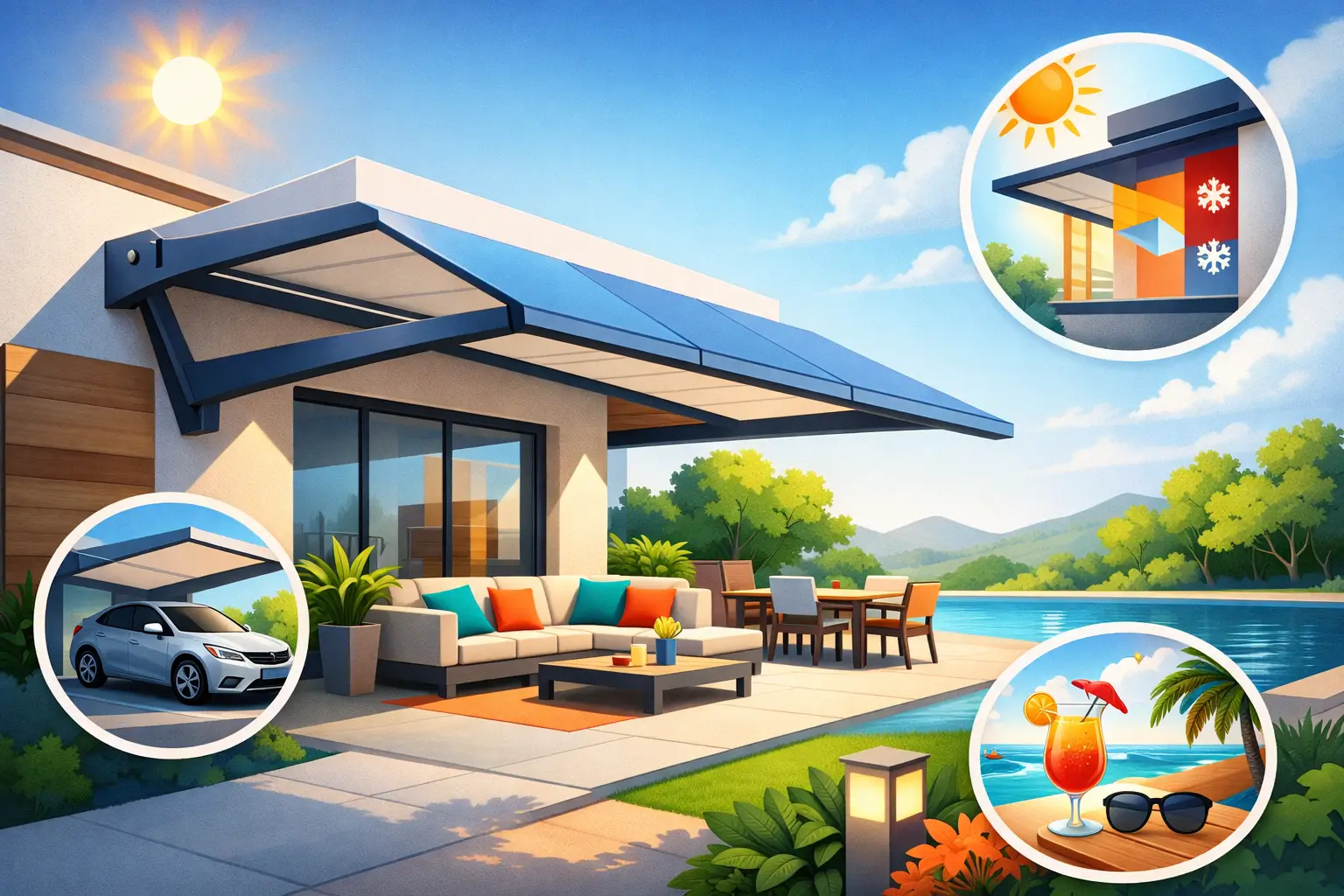
A crowded shopfront can cost you more than it looks. Posts in the wrong spot interrupt foot traffic, make deliveries awkward, and chip away at the clean, open look most commercial sites need. That is why the top benefits of cantilever awnings matter to owners, builders and property managers weighing up the right frontage solution.
Cantilever awnings are supported from the building structure rather than relying on front posts. In plain terms, you get overhead cover without filling the frontage with extra steelwork. For many commercial premises, especially on active pedestrian strips, that single design choice changes how the site functions day to day.
Why cantilever awnings suit busy commercial frontages
A cantilever system is not the right answer for every building, but it solves a lot of common problems in one go. If your priority is keeping the frontage clear, improving presentation and maintaining practical weather protection, it is a strong option.
For street-facing businesses, the biggest win is often usable space. A post-free frontage gives customers a cleaner path under the awning, helps staff move stock in and out, and reduces physical obstacles near the entry. In hospitality settings, that can also make the transition between indoor and outdoor trading feel less cramped.
There is also a visual advantage. A frontage without posts tends to look sharper and less cluttered, which matters on retail strips where first impressions do real work. If the premises need to look professional from the kerb, a cantilever awning can deliver cover without making the façade feel heavy.
The top benefits of cantilever awnings
1. Clear access at ground level
This is usually the main reason commercial clients choose this style. Without front posts, there is less in the way of customers, prams, trolleys, deliveries and routine cleaning. That matters more than people think.
On a narrow footpath or a busy trading strip, every obstruction creates friction. A clear frontage can help pedestrian flow, reduce awkward pinch points and make the entry easier to use during peak periods. For sites with accessibility concerns, keeping the path of travel open is a practical gain, not just a design preference.
2. Better street appeal
Awnings should protect the frontage, but they also shape how the business is seen from the street. Cantilever designs often present a cleaner line because the support is integrated back into the structure of the building. The result is a more open and professional look.
That can be useful for retailers and hospitality venues where visibility matters. Signage is easier to read when it is not competing with extra supports, and the façade usually feels more deliberate. If you are upgrading an older frontage, a cantilever replacement can make the whole premises look less dated without overcomplicating the design.
3. Practical weather protection without sacrificing space
The point of any commercial awning is simple - keep customers, staff and the frontage protected from sun and rain. Cantilever awnings do that while leaving the space underneath more usable.
For shops, this can mean better shelter at the entry and less direct weather hitting windows and doors. For cafes and restaurants, it can help create cover for waiting areas or kerbside seating without boxing the frontage in. The exact performance depends on projection, materials and site orientation, but the broader benefit is consistent: overhead protection with fewer ground-level compromises.
4. Fewer obstacles around active public areas
Public-facing sites come with practical and safety considerations. Extra posts near the front edge of a tenancy can create knock points, cleaning issues and visibility problems, especially in high-traffic areas.
Removing those obstacles can make the frontage easier to manage. Staff can clean more efficiently, customers can move more freely and the site can feel less cluttered during trading hours. On some projects, that cleaner footprint also helps coordinate with adjoining features like glazing, doors, external lighting or display zones.
This does not mean cantilever systems are automatically safer in every context. The structure still needs to be properly designed, engineered and installed to suit the building. But from an operational point of view, fewer obstructions at ground level are often a genuine advantage.
5. Strong fit for modern refurbishments and replacements
A lot of commercial awning work is not on new builds. It is on older premises that need repair, replacement or a better-looking frontage after years of wear. Cantilever awnings are often well suited to these upgrade projects because they can modernise the look without creating a bulky result.
That said, the existing building matters. The supporting structure must be assessed properly, and sometimes older façades need additional work before a new awning can be installed. This is where experience counts. A good-looking result means very little if the fixing method, load path or compliance side of the job has been rushed.
For landlords and property managers, this is one of the more practical benefits. A well-built cantilever awning can improve presentation, help protect the tenancy frontage and support longer-term asset value, provided the installation is done properly.
6. More flexibility for signage and branding
Shopfront awnings do not sit separate from branding. They are part of the way the business is seen from the street. A cantilever design often gives more freedom to work signage into the frontage neatly because there are no front posts interrupting the view.
That can help with fascia presentation, lighting placement and the overall balance of the façade. For businesses that rely on passing foot traffic, clean visibility matters. A cluttered frontage can dilute the message fast.
Of course, signage still needs to suit local requirements and the physical design of the awning. Bigger is not always better. The aim is a frontage that reads clearly and looks professionally finished, not one that feels overloaded.
Where the trade-offs sit
Cantilever awnings have clear advantages, but they are not a shortcut option. Because the structure projects out from the building without front supports, the engineering and installation details matter a lot. Load requirements, wind exposure, fixing points and the condition of the existing structure all need proper attention.
That means the upfront scope can be more involved than a simpler post-supported setup on some sites. If the building cannot readily support the design, extra structural work may be required. For some projects, that changes the budget or makes another awning type more suitable.
Maintenance also depends on materials, exposure and build quality. A badly built awning becomes a problem no matter what style it is. For commercial sites, especially in active public areas, there is no substitute for proper fabrication, compliant installation and clear certification where required.
Choosing the right cantilever awning for the site
If you are comparing options, the best starting point is not style. It is how the frontage needs to function. Think about pedestrian flow, deliveries, visibility, weather exposure and the condition of the existing building.
A narrow shopfront on a busy strip may benefit from every bit of open access it can get. A hospitality venue may care more about shelter coverage and street appeal. A landlord replacing an ageing structure may be focused on durability, compliance and keeping the premises looking presentable for the next tenant.
That is why no-nonsense site assessment matters. The right cantilever awning should suit the building, the use of the tenancy and the realities of installation on an active commercial site. If any part of that is ignored, the job usually becomes harder and more expensive later.
For commercial clients, this is where a specialist contractor earns their keep. It is not just about putting a cover over the front door. It is about getting the structure, finish and compliance side right from the start, especially when the work affects public access and day-to-day trade.
When a cantilever awning makes the most sense
This type of awning is often a strong fit when you need clear frontage, dependable weather cover and a sharper street presence without posts getting in the way. It works particularly well for retail shops, hospitality venues and other customer-facing sites where presentation and access carry equal weight.
If the building can support it and the job is properly engineered, a cantilever awning can give you a cleaner result that works harder every day. That is usually the real value - not just how it looks on handover, but how well it performs once the site is back to business.
A good commercial awning should make the frontage easier to use, easier to maintain and easier to trust in rough weather. If a cantilever design does those three things for your site, it is worth serious consideration.