Awning Certification Support Guide for Owners
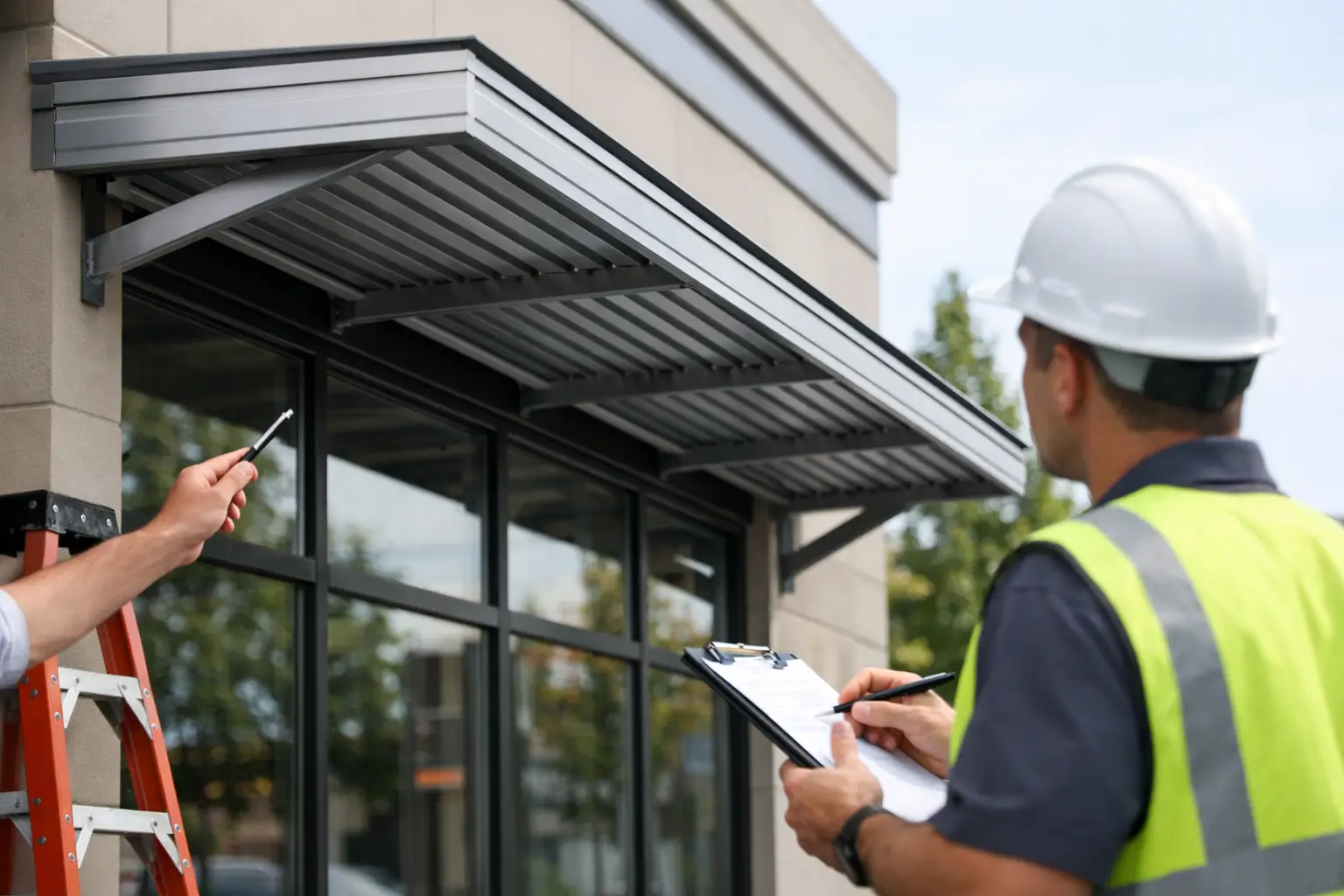
A shopfront awning can look straightforward from the street. On site, it is rarely that simple. If you are replacing, repairing or removing an existing structure, an awning certification support guide helps you understand what needs to be checked, who needs to be involved, and where projects usually go off track.
For owners, builders and property managers, the main issue is not paperwork for its own sake. It is making sure the awning is safe over a public area, built or repaired to suit the site, and backed by the right engineering and compliance process. When the awning sits above a footpath, near neighbouring premises, or on an older building, there is very little room for guesswork.
What awning certification support actually covers
In practical terms, certification support is the part of the job that helps connect the physical works with the engineering and compliance side. That may include reviewing the existing structure, identifying whether repairs are realistic, supplying site details to an engineer, coordinating installation around certified requirements, and making sure the finished work reflects what has been specified.
That support matters because many awning jobs are not brand new builds on a blank site. They are alterations to ageing shopfronts, replacements after storm damage, rectification of rusted steel, or demolition of structures that no longer meet current expectations. In those cases, the certification pathway depends on what is already there and what condition it is in.
Some clients assume certification is just a final sign-off. Often, it starts much earlier. If the existing frame is undersized, poorly fixed, or heavily corroded, an engineer needs accurate information before anyone can sensibly promise a repair strategy. Good support means the construction team and engineer are working from the same reality, not from assumptions.
Why commercial awnings get held up
The usual delays are not glamorous. Missing site information, hidden structural problems, and unclear scope cause more trouble than the visible awning fabric or cladding. An awning may look tired but stable, yet once linings are removed the steel behind it can show water damage, failed welds or makeshift past repairs.
This is where a proper awning certification support guide is useful. It sets expectations early. If a landlord wants a low-disruption repair but the frame is beyond patching, that needs to be said plainly. If a builder needs a replacement tied into a live fit-out program, certification requirements need to be understood before the install crew is booked.
The trade-off is straightforward. A faster start without proper assessment can cost more later through rework, site delays and safety issues. A more measured start usually gives a cleaner result and fewer surprises once demolition or strip-out begins.
The first question is repair or replacement
Not every awning needs to be replaced, and not every awning is worth repairing. The right answer depends on structural condition, fixing details, age, access, and how visible the finished result needs to be.
A decent repair can make sense when the main structure is sound and the problem is isolated, such as local corrosion, damaged sheeting, failed joints, or components that can be renewed without compromising the whole frame. Certification support in that case may involve confirming the repair method and documenting what is being retained versus replaced.
Replacement becomes the better option when deterioration is widespread, previous alterations are inconsistent, or the old structure cannot reliably meet current expectations. For highly exposed street-front sites, replacement can also be the more sensible long-term spend. A patchwork fix might be cheaper this quarter, but it can leave the owner with repeated maintenance costs and another shutdown later.
What engineers need from the contractor
Engineers can only certify what they can properly assess. That sounds obvious, but it is where many jobs stumble. If dimensions are incomplete, connections are hidden, or the site history is vague, the engineering advice will be slower or more conservative.
A contractor supporting certification should be able to provide clear site measurements, photographs, access details, notes on existing materials, and honest feedback about what is visible and what is still concealed. Where demolition is required to expose structure, that work needs to be handled safely, especially when the awning projects over public space or a trading frontage.
There is also a sequencing issue. On some jobs, partial strip-out is needed before final engineering can be confirmed. On others, enough is already visible to lock in the design before works begin. It depends on the age of the building, previous modifications and the quality of available records.
Awning certification support guide for active commercial sites
Commercial awning work often happens where business is still trading. That changes the way certification support should be managed. It is not just about the finished structure. It is about protecting staff, customers and the public while the work is underway.
If the awning sits over an entry, outdoor dining area or pedestrian path, temporary safety controls matter just as much as the permanent works. Access restrictions, overhead protection, work zones and demolition methods need to be planned around daily site use. A tidy-looking site is not enough if the underlying process is loose.
For retail and hospitality operators, timing also matters. A certification delay can affect signage, lighting, frontage presentation and trading access. That is why direct communication matters more than polished language. Clients need to know what stage the job is at, what has been confirmed, and what is still waiting on inspection or engineer review.
Common issues on older shopfront awnings
Older awnings come with their own set of headaches. Water ingress is a major one, particularly where seals, flashings or roof sheets have failed over time. Rust around fixings and connection points is another. Sometimes the visible damage is minor, but the real issue sits inside boxed sections or behind cladding.
Uneven previous repairs are also common. A shopfront may have had signage changes, lighting additions, ad hoc welding, or patch sheets fitted over the years. That can leave the structure with mixed materials and unclear load paths. From a certification point of view, that history matters. A new finish applied over a questionable frame does not solve the underlying risk.
There are also aesthetic trade-offs. A full replacement generally gives a cleaner and more consistent street presentation. A repair may preserve usable structure and reduce immediate cost, but it can leave some visual mismatch depending on the materials available and the condition of retained elements.
Who should use an awning certification support guide
This kind of guide is most useful for people responsible for outcomes, not just approvals. That includes shop owners planning a frontage upgrade, landlords dealing with ageing structures, builders coordinating facade works, and property managers trying to resolve defects without drawn-out site issues.
If you are comparing contractors, the real test is whether they understand both the practical build side and the certification process around it. Anyone can say they will install an awning. The more useful question is whether they can identify what needs engineer input, work safely around demolition and public exposure, and keep the job moving without glossing over risk.
That is especially relevant on specialist street-front work. A contractor with real experience in commercial awnings will usually spot issues earlier, give a more realistic scope, and avoid promising a simple repair where the structure is already telling a different story.
What a good process looks like
A solid process starts with a clear site inspection and an honest view of condition. From there, the scope should separate cosmetic items from structural ones. If engineering is needed, the right information should be gathered early, not after materials are ordered.
Once the path is clear, demolition, repair or installation should follow the certified intent and the realities of the site. That includes safe access, quality workmanship, and straightforward communication with the client while the job is live. Advanced Awnings works this way because commercial awning projects do not reward shortcuts, especially when the structure sits above the public.
The best certification support is not flashy. It is competent, responsive and grounded in what is actually on site. That means fewer assumptions, fewer surprises and a better result when the work is finished.
If you are planning awning work, the smartest move is to treat certification support as part of the build, not an add-on at the end. Get the structure properly assessed, get the scope right, and give the job enough attention before the first sheet comes off.