Commercial Awning Company Review Guide
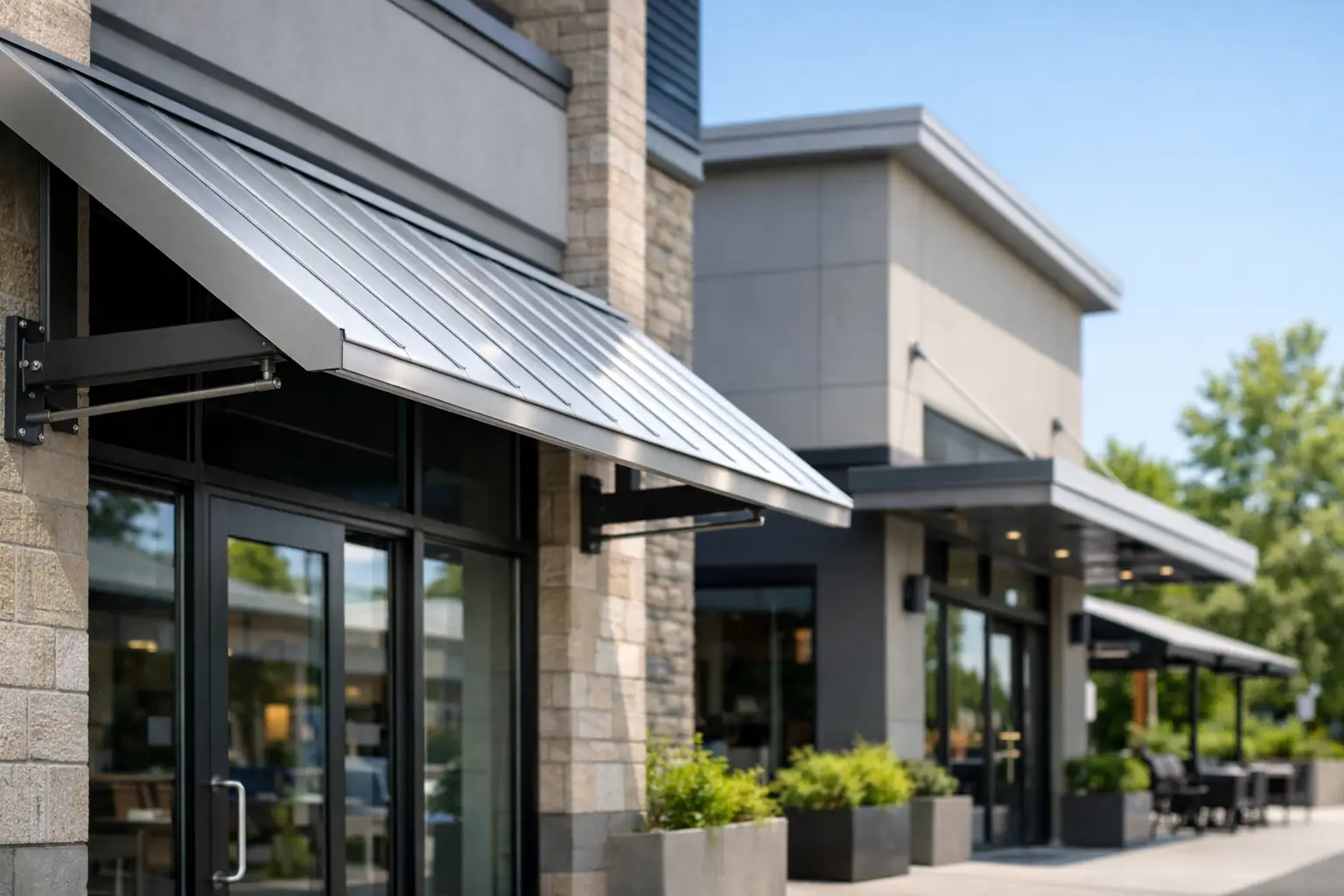
A shopfront awning can make a site look sharp, protect customers at the entry, and keep your tenancy presentable. It can also become a problem fast if the frame is unsound, the fixings are poor, or the contractor cuts corners around safety and compliance. That is why a proper commercial awning company review matters before you sign off on any quote.
If you are comparing contractors, the real question is not who can put up an awning. Plenty can claim that. The question is who can manage demolition, repairs, fabrication, installation and site safety properly on an active commercial frontage without creating headaches for the owner, tenant or builder.
What a commercial awning company review should actually cover
A useful commercial awning company review goes past surface-level claims. Nice photos and a polished sales pitch are easy enough to find. What matters is whether the contractor has the experience, systems and judgement to deliver a safe, durable result in the real world.
For most commercial clients, that means looking at five things together: workmanship, compliance, communication, reliability and after-job support. If one of those is weak, the whole project can suffer. A neat-looking awning is no good if it has been installed without proper certification support, causes drainage issues, or creates risk over a public footpath.
Workmanship is usually the first thing clients notice. Straight lines, solid fixings, clean finishes and a tidy handover all count. But good workmanship also shows up in what is hidden - substrate preparation, structural understanding, flashing details, corrosion resistance and how well the work will hold up over time.
Compliance matters just as much. Commercial awnings sit in public-facing environments. That means safety barriers, controlled demolition, public protection, and engineer input may all come into play depending on the job. A contractor who understands these requirements from the start is less likely to cause delays or expose the client to unnecessary risk.
Signs you are dealing with the right contractor
A strong awning contractor usually sounds straightforward because they know the work. They can explain the job clearly, identify likely site issues early, and tell you what is included in the quote without dancing around it.
They should also be comfortable discussing the awkward parts of a job. That might include access limitations, ageing structures, hidden damage, tenancy trading hours, council-related considerations or the need for engineer certification. If a company only talks about the easy parts, that is often a warning sign.
Project history is another good indicator. You want to see evidence of completed commercial work, not just general building jobs. Shop front awnings are their own category. They involve exposure to weather, visibility from the street, public interface, and often a need to work around existing façades or operating businesses. A specialist will understand those pressures better than a general operator trying to do a bit of everything.
Insurance and safety approach should be easy to verify as well. On commercial sites, especially in busy pedestrian areas, this is not optional. A dependable contractor takes public safety seriously and has no issue talking through how they manage risk during demolition, replacement or repair work.
Where many awning quotes fall short
Price is important, but a cheap quote can become an expensive fix later. That happens when important items are left vague or excluded altogether. One contractor may include removal of the old structure, making good affected areas, waste disposal, site protection and certification coordination. Another may leave those costs out to make the number look sharper.
This is where a careful review helps. Compare quotes line by line and look for missing details. If materials are not clearly described, if structural scope is unclear, or if the finish standard is not defined, ask questions before the job starts.
Repairs can be especially tricky. Some awnings are suitable for targeted repair. Others are too far gone, or the underlying frame has broader structural issues. A decent contractor will not push a full replacement if a sound repair is enough. But they also should not patch over a failing structure just to win a smaller job. Honest advice is worth more than a quick yes.
How to read reviews without getting fooled
Not every online review tells you much. A short comment saying a company was great is better than nothing, but it does not tell you how they handled a difficult site, whether they stayed accessible during the project, or whether the work held up six months later.
The better reviews mention specifics. Look for comments about reliability, tidy work, responsiveness, timeframes, problem-solving and finish quality. Reviews from builders, landlords, shop owners and property managers tend to carry more weight because they often understand what was at stake on the job.
It also helps to look for consistency rather than perfection. No contractor who has been around for years will have a completely friction-free run on every project. What you want to see is a pattern of showing up, communicating clearly and getting issues sorted properly.
A company with long-term client relationships usually gives you a stronger signal than one with only a handful of recent comments. Repeat work says a lot. In commercial construction and maintenance, clients return when the contractor is dependable, practical and easy to deal with under pressure.
The value of a specialist over a general trades team
This is one of those areas where it depends on the job, but in many cases a specialist is the safer option. A general builder may be able to manage a straightforward awning scope, especially as part of a larger fit-out. But if the project involves replacement of an ageing street-front awning, structural concerns, demolition over a public area, or a need for a high-standard finish, specialist experience matters.
A dedicated awning contractor is more likely to spot issues early, understand suitable materials, and plan the sequence of works properly. That usually means fewer surprises and a better result at handover.
In Sydney, where many commercial sites sit on busy strips with pedestrian traffic and older building stock, those practical details count. Jobs often need more than a standard install. They need planning, site control and a contractor who knows how to work cleanly around live business conditions.
Questions worth asking in any commercial awning company review
Before appointing anyone, ask how they handle demolition, what insurance they carry, whether they can support engineer certification where required, and what their quoting includes. Ask who will actually be on site and how communication will work once the job starts.
You should also ask about repair versus replacement. A good contractor will tell you which option is likely to give the better long-term outcome, even if it is not the higher-value sale today. That sort of honesty is often a strong sign you are speaking to the right team.
If your premises stay open during works, ask how they protect customers, staff and the frontage itself. This is not just about compliance. It is about keeping the site workable while reducing disruption.
What separates a dependable company from a risky one
The difference usually comes down to discipline. Dependable companies quote clearly, turn up when expected, and do not dodge the harder parts of a job. They understand that a commercial awning is part of the building presentation, but also part of the building risk profile.
Risky operators often sound convincing early on. The problems show up later - slow responses, vague inclusions, poor site control, untidy finishes or no clear path when unexpected issues are uncovered. By then, the client is already committed.
That is why your review process should focus on evidence, not promises. Look at completed work. Ask direct questions. Pay attention to how the company communicates before the contract is signed, because that often tells you how they will behave once the pressure is on.
For commercial clients, a reliable awning contractor is not just supplying metal, sheeting or framework. They are taking responsibility for a visible, public-facing part of your property. They should treat it that way from the first inspection through to final handover.
Advanced Awnings has built its reputation around that approach - practical quoting, proper site delivery, and workmanship backed by real commercial experience.
If you are carrying out a commercial awning company review, keep it simple. Look for a contractor who knows shopfront work, understands safety and compliance, communicates clearly and is prepared to stand behind the job. A straight answer at the quoting stage is usually worth more than a flashy promise later.