Engineer Certified Awnings for Shop Fronts
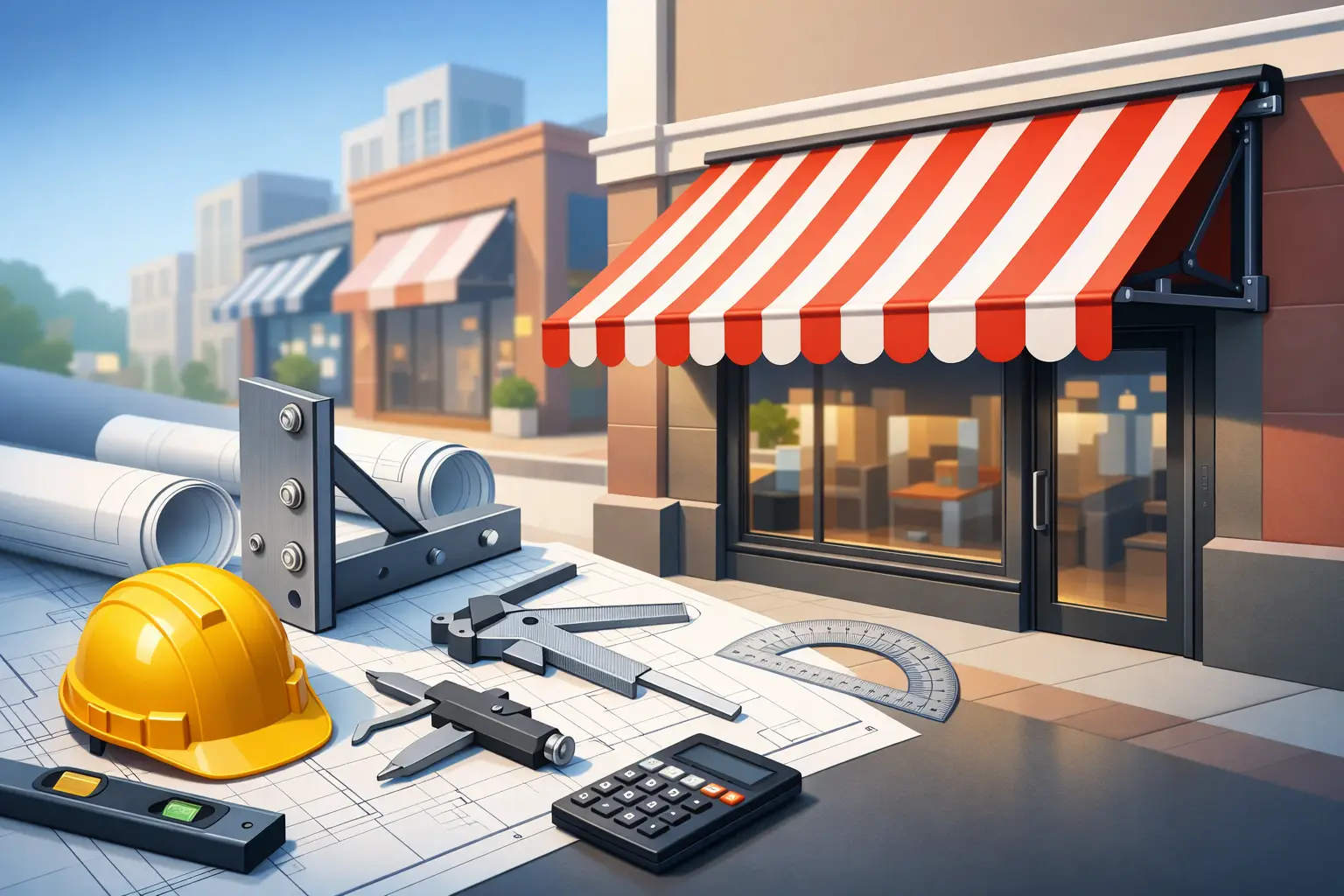
A shop front awning can look solid from the street and still be a problem overhead. That is usually where engineer certified awnings come into the conversation - when a landlord, builder or business owner needs proof the structure is sound, compliant and fit for the site. If the awning sits over a public footpath, connects into an older façade, or is being repaired after damage, certification is not just paperwork. It is part of doing the job properly.
For commercial premises, an awning is not a decorative extra. It protects customers at the entry, supports signage, handles weather exposure and forms part of the street presence of the business. But once steel, brackets, fixings and existing building elements are involved, there is real structural responsibility attached to it. That is why certification matters.
What engineer certified awnings actually mean
When people say an awning is engineer certified, they usually mean a qualified structural engineer has reviewed the design, fixing method and load requirements, then provided documentation confirming the structure is suitable for its intended use. The detail can vary depending on the project, but the point is simple - the awning is not being guessed through on site.
For a new installation, that certification may be tied to design drawings, wind loads, connection details and the materials being used. For an existing awning, it may involve inspecting the current structure, identifying defects, checking how it is fixed back to the building and confirming whether it can stay, needs repair or should be replaced.
That difference matters. Some jobs need full design and certification before fabrication starts. Others need an engineer to assess a structure that is already there. Treating those as the same thing can waste time and money.
Why certification matters on commercial sites
If your awning projects over a pedestrian area, the risk is obvious. A failure does not just damage property. It can put the public, staff and tenants in danger. From a practical business point of view, that means liability, disruption and urgent rectification work you did not budget for.
Engineer certified awnings help reduce that risk because the structure has been checked against actual requirements rather than visual assumptions. That is especially important with older shop fronts, where previous modifications, corrosion, water ingress or poor repair work may not be obvious from ground level.
Certification also helps when different parties are involved in the decision. Landlords want compliance and asset protection. Shop owners want minimal disruption and a presentable front. Builders need clear scope and buildable details. Property managers need documentation they can stand behind. Engineer review gives everyone a firmer base to work from.
Where problems usually show up
Most awning issues are not dramatic at first. They start with movement, rust, ponding water, cracked welds, sagging fascias or fixings that have worked loose over time. In some cases the problem is hidden behind cladding or signage and only becomes clear once demolition starts.
Older commercial strips are a common example. An awning might have been patched over several times, with new sheeting fixed to an original frame that was never upgraded. It may still be standing, but that does not mean it meets current expectations for safety or performance.
There are also jobs where a tenant fit-out changes the loads on the awning without anyone thinking much about it. New signage, lighting, screens or services all add weight and can affect how the structure behaves. If the original support system was marginal to begin with, those add-ons can push it too far.
Engineer certified awnings for new builds and replacements
On a new awning or full replacement, the best results come when certification is considered early. Not after fabrication. Not once the old awning is down. Early coordination between the contractor, fabricator and engineer helps avoid redraws, rework and site delays.
This is where experience matters. A design may look straightforward on paper, but older buildings rarely behave like neat drawings. Setbacks are off, substrates are inconsistent, access is tight and the shop still needs to trade. A contractor who understands shop front awnings will flag those practical issues before they become structural or compliance headaches.
Replacement work often sits in the middle ground. The existing awning may be beyond repair, but the building interface still needs to be respected. That could mean new connection details, upgraded steelwork or staged demolition to keep the site safe while the new structure is prepared. Certification is part of that chain, not a separate afterthought.
Repairs can still need certification
Not every job calls for a complete rebuild. In some cases, localised repair is the right call. But repairs to structural elements should never be treated casually, especially over active public areas.
If a bracket has failed, corrosion has weakened a section, or impact damage has affected the frame, the repair method needs to match the actual condition of the awning. A quick patch may make it look tidy for a while, but it does not fix the underlying issue. Depending on the extent of damage, an engineer may need to confirm the repair approach and whether the awning can safely remain in service.
That is one of the big trade-offs on these jobs. Repair is often cheaper up front, but only if the core structure is worth saving. If multiple sections are compromised, or the original awning is poorly built, replacement may be the more sensible option over the life of the asset.
What a proper process looks like
Good awning work is rarely just about the installation itself. The safer and more efficient projects usually start with a site inspection, a clear understanding of the existing conditions and honest advice on whether the structure should be repaired, replaced or removed.
From there, the scope may include measured assessment, demolition planning, temporary safety controls, fabrication details and engineer input where required. If the site is on a busy strip, staging and pedestrian management also become part of the job. That is not admin for the sake of it. It is how public risk is managed while work is underway.
On the paperwork side, clients should expect clarity. What is being certified? Is it a new awning design, an existing structure, or a repair method? What assumptions is the engineer relying on? Are there site conditions that could affect the outcome once demolition opens the structure up? Straight answers early are better than surprises halfway through the build.
Choosing the right contractor for engineer certified awnings
Certification is only one part of the result. The awning still has to be built, installed or repaired properly. That means workmanship, safe access, clean finishes and a contractor who understands how commercial sites operate.
For owners and managers, the risk is choosing someone who can talk about compliance but not deliver the physical job to the same standard. Shop front awnings are exposed, public-facing structures. Poor alignment, rough finishes and messy fixings are obvious straight away. So are shortcuts around safety.
A capable contractor will be direct about the condition of the awning, realistic about what can be retained, and organised enough to coordinate with engineers, building managers and other trades where needed. They should also understand that every day of disruption matters when the site is customer-facing.
That practical side is where businesses like Advanced Awnings earn trust. Not with fancy language, but by turning up, quoting clearly and delivering work that stands up both structurally and visually.
When to ask for certification
If you are planning a new awning, replacing an old one, dealing with storm or impact damage, or taking over a site with an unknown structure above the entry, ask the question early. Waiting until fabrication has started or defects are already visible can narrow your options.
The same applies if you are responsible for a property and the awning has not been properly assessed in years. A structure over a public area is not something to leave to assumption. It may be fine. It may need minor works. Or it may be closer to failure than it looks.
The sensible move is to get experienced eyes on it, sort out the right scope and keep the job controlled from the start. When an awning is engineered, built and installed properly, you are not just ticking a box. You are protecting the site, the business underneath it and the people walking past every day.