
Pergolas for Commercial Outdoor Spaces
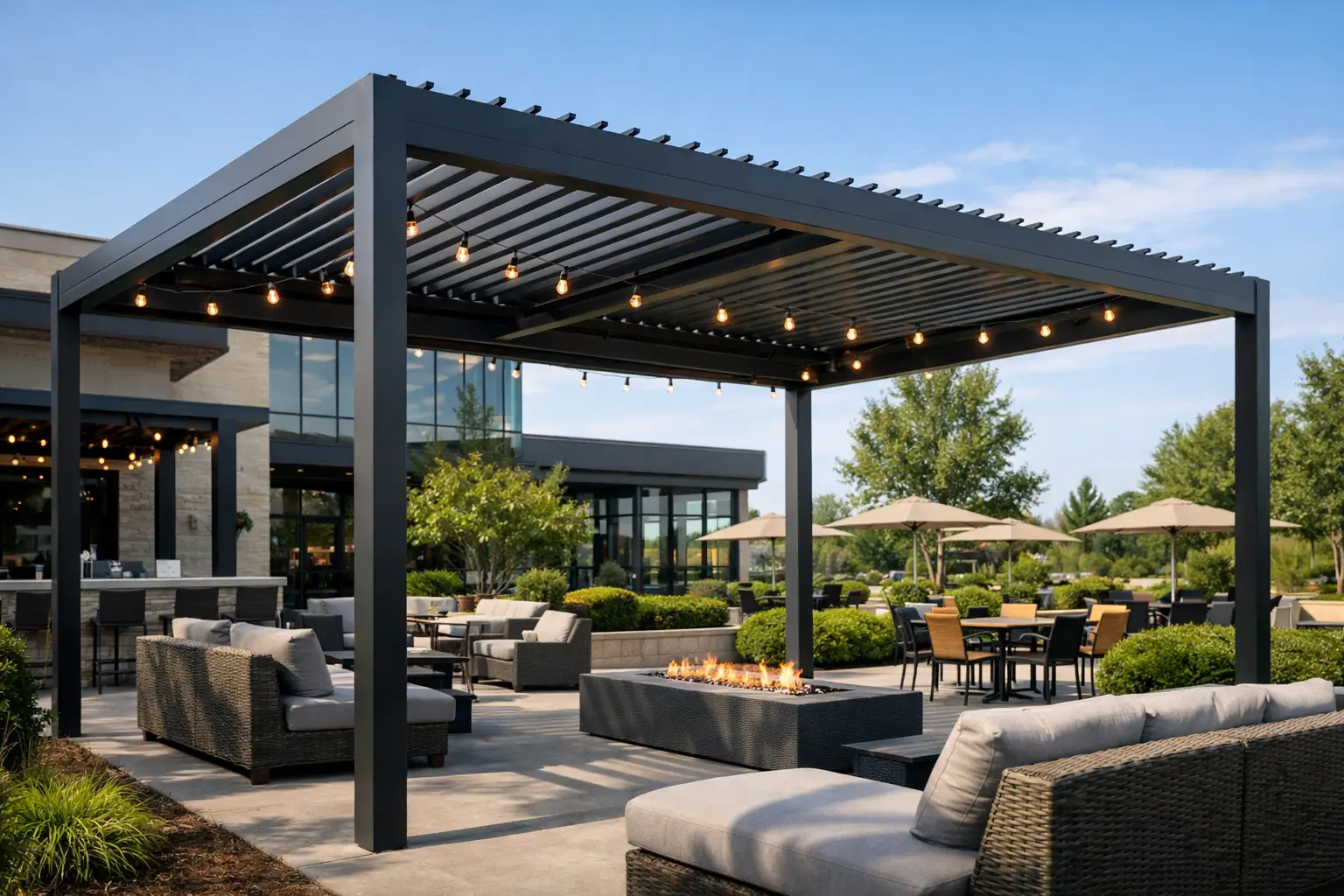
A good outdoor area can earn its keep. For a café, pub, retail frontage or mixed-use property, the difference between dead space and usable space often comes down to cover, layout and how safe the structure is in day-to-day use. That is where pergolas comes into the conversation. Done properly, they can improve presentation, define customer areas and make outdoor trading more practical. Done poorly, they become another maintenance issue, another compliance headache and another thing tenants complain about.
For commercial sites, the question is not whether a pergola looks nice in a brochure. The real question is whether it suits the building, the foot traffic, the weather exposure and the way the site operates. A structure that works well in a private backyard may be completely wrong for a busy street-facing venue or a tenancy with public access all day.
Where pergolas work best on commercial sites
Pergolas are most useful when the outdoor area already has a purpose but needs better structure around it. Hospitality venues use them to define dining zones, waiting areas or beer garden spaces. Retailers may use them to soften a frontage or create a more inviting threshold between the footpath and the entry. Property owners and managers often look at pergolas when they want to improve a common area without committing to a full enclosed build.
What matters is function. If the goal is weather protection for year-round trading, an open pergola on its own may not be enough. If the aim is visual improvement and partial shade, it can be a good fit. The right outcome depends on whether you are trying to create amenity, increase usable floor area, improve customer comfort or tidy up an underperforming outdoor section.
This is where plenty of projects go off track. People use the word pergola as if it covers every outdoor structure. In practice, there is a big difference between a decorative frame, a practical shade structure and a commercial canopy system built to handle public use.
Pergolas are not the same as awnings
This distinction matters more than most clients expect. Pergolas are generally freestanding or partially attached structures that create a defined outdoor zone. Awnings usually project from the building and are more directly tied to the façade, entry or shop front. On a commercial site, that difference affects design, drainage, engineering, council requirements and how customers move through the space.
A pergola can be the right choice if the area sits away from the main façade or needs to operate as a separate zone. An awning often makes more sense when the priority is protecting entrances, windows, queuing areas or the edge of a trading frontage. Sometimes the best answer is a combination of both, particularly on hospitality sites where a street-facing awning handles the frontage and a pergola structure defines the rear or side courtyard.
If you are weighing up options, start with site use rather than product type. That keeps the conversation practical instead of getting stuck on labels.
What to check before building pergolas
A pergola on a commercial property has to do more than stand up and look neat. It needs to suit the conditions on site and meet the standard expected for a public-facing structure.
Load requirements come first. Wind exposure, roof coverings, fixing methods and spans all affect engineering. A light decorative system may not be suitable where there is heavy weather exposure or where the structure sits in a wind tunnel between buildings. If the pergola includes roofing, screens, lighting, heaters or signage, those additions also need to be factored into the design.
Then there is drainage. Water has to go somewhere, and if that has not been thought through early, it usually ends up where you do not want it - over entries, across paving, into seating zones or down onto neighbouring property. In active commercial areas, poor drainage quickly becomes a safety issue.
Clearances are another common sticking point. You need to think about pedestrian flow, delivery access, emergency egress, visibility to the tenancy and any conflict with existing services. On some sites, the pergola itself is straightforward but the surrounding conditions make the project more complicated than expected.
Approvals and certification should never be an afterthought. Depending on the site, use and structure type, you may need council approval, engineer certification or both. If the pergola forms part of a broader upgrade to a shop front or hospitality venue, it should be looked at as part of the full compliance picture, not as a separate cosmetic add-on.
Materials matter more than the brochure suggests
Most commercial clients are not interested in design jargon. They want to know what lasts, what needs maintenance and what will still look presentable after years of weather, grime and regular public use.
Steel remains a strong option for many commercial pergolas because it offers strength, clean lines and predictable performance when properly fabricated and finished. Aluminium can work well in some applications, particularly where weight is a concern, but it depends on span, fixing and overall design intent. Timber has visual appeal, though on commercial sites it brings more maintenance and can be harder to keep looking sharp over time, especially in exposed or high-traffic locations.
Roofing choices also change how the structure performs. An open pergola gives filtered shade and visual definition, but limited wet-weather use. A covered system improves shelter but adds complexity in drainage, engineering and heat management. Polycarbonate, insulated panels and metal roofing all have their place, but the right pick depends on how the space will actually be used. There is no point creating shelter if the area becomes too hot, too dark or too noisy when it rains.
Pergolas and compliance in public-facing areas
Once a structure sits near customers, tenants or the public, the job has to be approached with more care. It is not just about install quality. It is about risk.
Edges, posts, overhead elements and fixings all need to be considered in terms of public safety. So does the construction process itself. On an operating commercial site, even a small build can affect access, visibility and trading conditions. That means the contractor needs to think ahead about staging, barriers, pedestrian movement and keeping the site under control while work is underway.
This is often where specialist commercial experience makes the difference. A team used to active shop fronts, hospitality venues and shared public areas will plan the build around real site conditions rather than treating it like a backyard project. That includes dealing with demolition where an old structure has to come out first, making good around existing finishes and coordinating work so the end result looks like it belongs to the building.
When pergolas are the wrong answer
Not every outdoor area needs one. If the main issue is direct weather protection over a narrow frontage, a properly designed awning may do the job better. If the site already has limited clearance, too many posts from a pergola can make the area feel cluttered and awkward. If the outdoor area has no real commercial use, adding structure may just create cost without improving the asset.
There is also the question of long-term upkeep. A pergola that looks impressive at handover but needs constant attention is not a good commercial outcome. For landlords and property managers, that becomes a recurring maintenance problem. For operators, it becomes another distraction from running the business.
The best projects are usually the straightforward ones - clear purpose, suitable structure, proper certification and finishes that can handle everyday use.
Getting pergolas right from the start
If you are considering pergolas for a commercial property, the smartest first step is to assess the site properly before settling on a design. Look at how the area is used now, how you want it used later and what constraints already exist around access, services, frontage and approvals. That tells you very quickly whether a pergola is the right fit, or whether another canopy or awning solution would perform better.
For commercial clients, the value is in getting a structure that works hard, looks right and does not create avoidable problems six months down the track. That means practical design, solid installation and no shortcuts on safety or compliance. A good outdoor structure should help the business operate better, not give you another job to manage.
If the space is worth improving, it is worth doing properly the first time.