
Shop Canopy Installation Done Properly
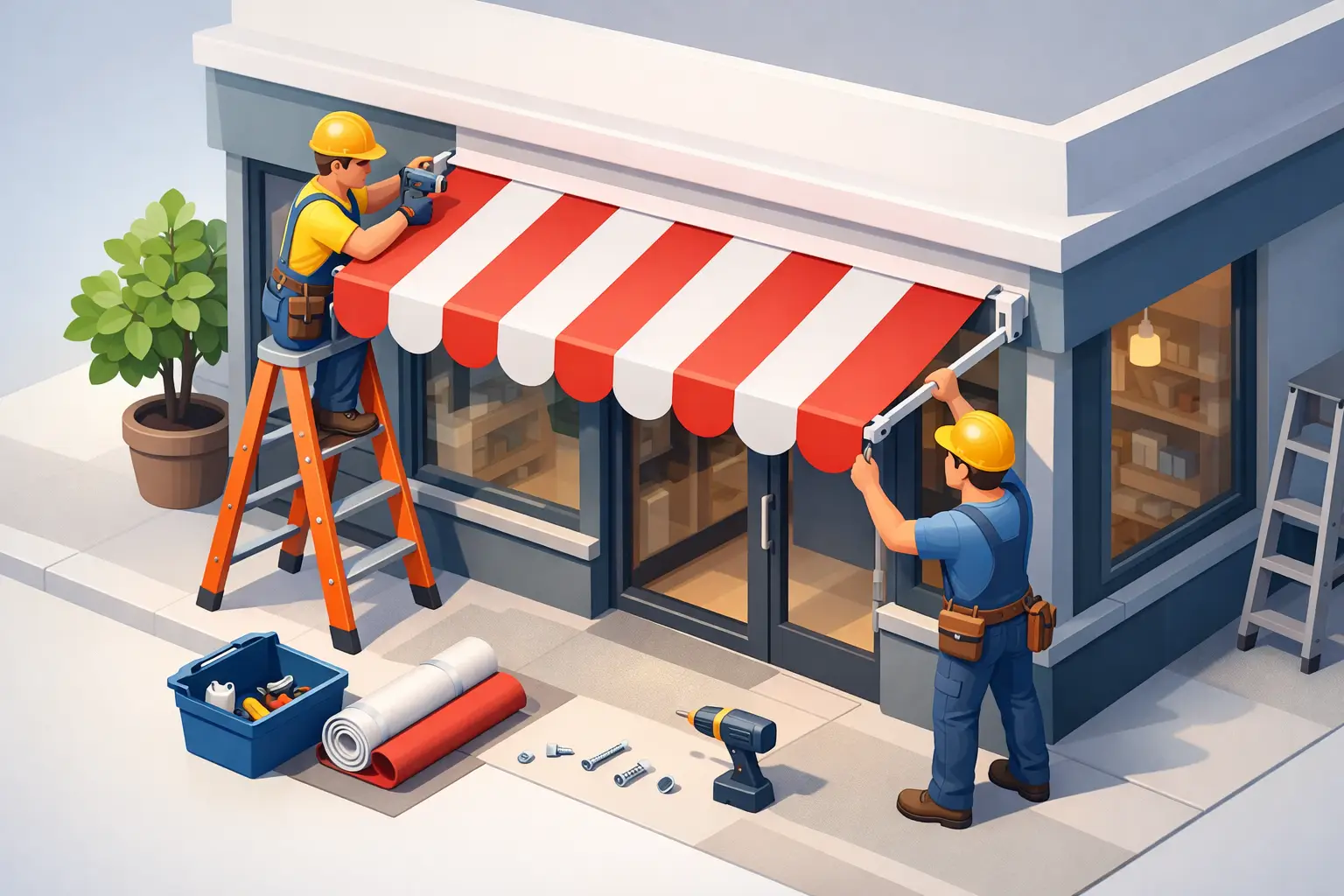
A shop canopy that looks fine from the street can still be wrong where it counts. We see it often - poor fixings, rushed flashing, weak drainage planning, or a frame that was never suited to the frontage in the first place. That is why shop canopy installation needs more than a quick measure-up and a tidy finish. It has to be built for the site, the public area around it, and the way the business actually operates.
For shop owners, landlords and builders, the job is usually about three things at once. You want the canopy to present well, hold up in weather, and meet the compliance and safety expectations that come with a public-facing commercial site. If one of those gets missed, the problems show up later in water ingress, movement, cracked finishes, access issues or expensive remedial work.
What shop canopy installation really involves
A proper installation starts well before anything is lifted into place. The frontage has to be assessed for structure, fixing points, surrounding services, pedestrian movement and how the canopy will interact with the building facade. On older sites, that early check matters even more because existing awnings, sign frames or previous patch-up work can hide problems.
There is also a practical side that clients appreciate once work begins. Shopfront jobs are often carried out in active trading areas, near neighbouring tenants, parked vehicles and busy footpaths. That means access, barricading, site safety and sequencing are not side issues. They are part of the installation itself.
The finished canopy needs to do its job every day, not just on handover day. It should shed water properly, sit straight, suit the frontage, and handle the wear that comes with a commercial setting. A clean-looking result is good. A clean-looking result that is also built properly is what matters.
Why poor installation costs more later
The cheapest quote can become the dearest job if the scope is light, the materials are undersized or the installer is not used to commercial awning work. Small shortcuts early on tend to create bigger failures later. Water gets behind cladding, rust starts where it should not, signage has to be altered to fit around bad framing, or the whole structure needs rework because the support method was wrong.
There is also the risk that a poor installation creates a public safety issue. A canopy sits over entry points and pedestrian areas. If fixings fail, sheets lift, or parts come loose in rough weather, the consequences are serious. For landlords and managers, that is not just a maintenance headache. It is a liability problem.
This is why experience in shopfront awnings matters. Commercial canopy work is not the same as general handyman work or basic residential shade jobs. The tolerances, finish expectations and safety demands are higher.
Planning a shop canopy installation on a live site
Most commercial clients are not interested in theory. They want to know how the job will run, how long it will take, and whether their business can keep trading. Fair enough. Good planning answers those questions early.
On a live site, the installation needs to account for customer access, delivery access, neighbouring shops and the safest way to manage the public area. Sometimes work can be staged to reduce disruption. Sometimes the safest option is a tighter work zone and a shorter, more controlled program. It depends on the frontage, the street conditions and the size of the canopy.
Existing structures also change the approach. If an old awning has to come down first, demolition has to be handled carefully and in the right sequence. That means checking how the old frame is tied into the building, what condition it is in, and whether there are any surprises behind the fascia or lining. Rushing this stage is where avoidable risks creep in.
Structure, drainage and finish all matter
Clients often focus first on appearance, which makes sense because the canopy is part of the shopfront. But performance comes from the parts you do not notice straight away. The frame has to suit the span and loading. The fixings have to suit the substrate. The drainage details have to stop water running back where it should not.
Then there is the finish. A canopy should look square, clean and properly integrated with the frontage. If the lines are off or the sheeting is badly set out, it cheapens the whole premises. For retail and hospitality sites, that visual standard is not cosmetic fluff. Street presentation affects how the business is perceived.
Compliance is not optional
Commercial canopy work is one of those areas where clients are right to ask questions. Does the installation require certification support? Has the structure been designed and fixed appropriately? Is the site being managed safely while works are underway? These are practical concerns, not paperwork for paperwork’s sake.
Depending on the job, engineer involvement may be needed to confirm the structure and support the approval or compliance pathway. Not every canopy is the same, and not every site presents the same conditions. A straightforward replacement may be simpler than a new installation on an older frontage, but assumptions are where projects go wrong.
The right contractor will be upfront about what the job needs. If certification support is required, say so early. If access constraints or building condition may affect cost or timing, say that too. Commercial clients usually handle bad news better than vague promises. What they do not want is a surprise halfway through the job.
When repair is better than replacement
Not every enquiry needs a full new canopy. In some cases, the frame is sound and the issue is localised to sheeting, fascia, brackets, flashings or water management. A proper inspection can tell you whether repair is worth doing or whether replacement is the smarter long-term option.
This is one of those it-depends decisions. If the structure has widespread corrosion, poor original fixing methods or movement in key areas, patch repairs can simply delay a larger failure. But if the main frame is solid and the defects are limited, repair work can restore function and presentation without the cost of a full rebuild.
A straight answer here saves clients money and frustration. There is no benefit in overselling a replacement if a repair will do the job properly. There is also no benefit in pretending a failing canopy can be patched forever.
Choosing the right contractor for shop canopy installation
A polished brochure is not enough. For this kind of work, clients should be looking for practical signs that the contractor knows commercial awnings and knows how to manage risk. Experience with shopfront structures matters. So does insurance, a clear scope, and the ability to explain how the job will be carried out from start to finish.
It is also worth paying attention to how the quote is presented. A proper quote should make it clear what is included, what assumptions have been made, and whether demolition, disposal, access equipment or certification support sit within the scope. If those items are blurry, the price may be blurry too.
Communication matters more than many people realise. On commercial jobs, delays and variations can affect tenants, trading hours and neighbouring businesses. You want a contractor who answers the phone, turns up when they say they will, and deals with issues directly. That simple reliability is often the difference between a manageable project and a drawn-out one.
What a good result looks like
A good canopy installation does not draw attention for the wrong reasons. It looks right on the building, handles weather properly and feels solid because it is solid. The details are clean. The frontage is safer. The business gets the practical cover and presentation it needs.
For owners and managers, the real value is peace of mind. You are not wondering if the first storm will show up a leak, or if the council, engineer or tenant will flag something that should have been dealt with before completion. The job is simply done properly.
That is the standard experienced contractors aim for on every commercial frontage. If your canopy needs replacing, repairing or building from scratch, the best first step is not chasing the fastest price. It is getting a clear assessment of the site, the structure and the safest way to deliver a result that will last.