How to Read Canopy Supplier Ratings Properly
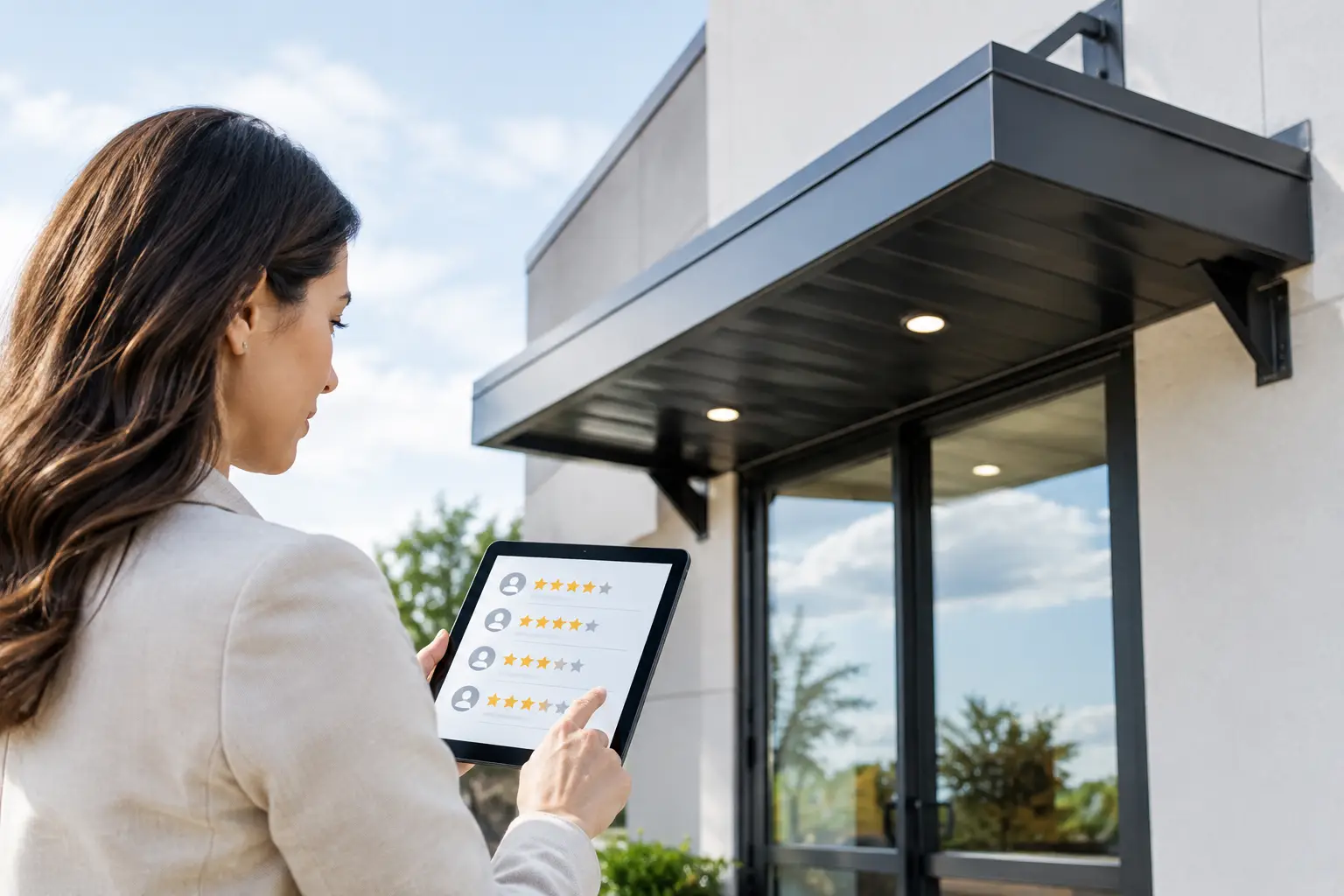
A five-star profile can be reassuring when your shop front awning needs attention. It should not be the only reason you engage a contractor. Canopy supplier ratings are useful when they help you assess the work behind the score: safe site practices, clear communication, quality installation and whether the contractor stands by the finished job.
For a commercial property, a canopy or awning is more than a signboard frame. It sits over customers, staff and pedestrians. It may need to cope with weather exposure, ageing fixings, drainage issues, signage loads and the realities of a busy footpath. The right supplier needs to understand that responsibility before work starts.
What Canopy Supplier Ratings Can Actually Tell You
Ratings can give you a quick picture of a business's reputation, particularly where there are enough reviews gathered over time. Look beyond the overall number. A contractor with a strong rating built from detailed, relevant reviews is generally a better prospect than one with a perfect score from a handful of vague comments.
The useful reviews describe a real project. They mention whether the crew arrived when promised, kept the site tidy, explained the scope, managed access around customers and completed the work to the agreed standard. For awning repairs or replacements, comments about problem-solving matter too. Existing shop fronts often reveal hidden corrosion, damaged framing or old work that does not match the original drawings. A good contractor deals with those issues properly rather than covering them up.
Pay attention to the type of job being reviewed. A rating based mainly on domestic blinds or small shade products does not necessarily show experience with commercial steel awnings, shop front canopies or public-facing demolition work. The core skills, site risks and compliance requirements can be very different.
Read the Detail, Not Just the Star Rating
A lower rating is not automatically a reason to rule a supplier out. Construction work involves access restrictions, weather delays, supply lead times and changes requested after the quote. What matters is the pattern and the contractor's response.
Read the most recent reviews first, then check reviews from further back. Consistent feedback over several years is a better sign of reliable operations than a short run of positive comments. Also look for specific comments on communication. When a canopy is leaking, loose, damaged by impact or due for replacement, clients need straight answers about what can be repaired, what needs replacing and what the work will involve.
Professional responses to criticism are worth noting. A business does not need to agree with every complaint, but it should address concerns respectfully and explain what it did to resolve them. Silence, blame shifting or defensive replies can indicate how a contractor may handle an issue once the job is underway.
Be cautious with reviews that use the same wording, provide no job detail or appear in an unusual burst. That does not prove they are unreliable, but it means you should place more weight on project evidence and direct conversations.
Match the Rating to Your Actual Scope
Before comparing suppliers, be clear about the work required. A repair to flashing or cladding is not the same as removing a damaged awning, modifying support steel and installing a new commercial canopy. The supplier you choose should have evidence of completing work comparable in scale, construction and site conditions.
Ask practical questions during the quoting stage. Can they inspect the existing structure before pricing? Will the quote separate repairable items from replacement items? Who is responsible for access equipment, site protection and removal of demolition waste? If engineering input, certification or approvals are required, how will that be managed?
These questions are not about making the process difficult. They help prevent a low initial price becoming a series of variations once the work begins. A detailed quote is usually more valuable than a quick figure with broad exclusions, especially for older commercial buildings where the existing condition is uncertain.
A supplier's rating should support this assessment, not replace it. Even well-reviewed businesses can be the wrong fit if their experience does not match your canopy type or if they cannot work within the access and trading constraints of your premises.
Safety and Compliance Need Their Own Checks
Reviews rarely provide a full picture of a contractor's safety systems. For a street-facing awning, that is too important to leave to online feedback. Work may take place above a public footpath or directly outside an operating business. Pedestrian management, exclusion zones, overhead work controls and safe removal of old materials need proper planning.
Request current evidence relevant to the project, rather than relying on a logo or a general statement on a profile. Depending on the scope, that may include insurance details, licences where applicable, safe work documentation, engineering information and plans for protecting the public and the site.
For replacement work, clarify whether the design and fixing method are suitable for the structure receiving the canopy. An awning can look sound from street level while concealed connections, substrate condition or water damage tell a different story. Where certification is needed, it should be discussed early, not treated as an afterthought when installation is already booked.
This is also where local experience has value. Sydney shop fronts vary widely, from narrow pedestrian strips to busy arterial roads and heritage-style facades. A contractor familiar with commercial access challenges is better placed to organise work around tenants, neighbours and passing trade.
Check Project Evidence Alongside Reviews
Project photos can be helpful, but use them with a practical eye. Look for clear images of completed work, not only close-ups that hide the wider installation. Can you see tidy cladding lines, sensible water management, straight fascia work and finishes that suit the building? Are there examples of both new installations and repair work?
It is reasonable to ask for examples of similar completed projects or references where appropriate. You are not looking for confidential client information. You are checking whether the supplier has a track record of doing the type of work you need.
The best evidence is consistent across several places: reviews mention reliable service, photos show well-finished commercial projects, and the quote demonstrates an understanding of your site. If those things do not line up, ask why before you proceed.
A Practical Way to Compare Suppliers
When several quotes are on the table, compare the whole offer rather than choosing on rating or price alone. Use the same questions for each contractor so the differences are clear:
- Is the quoted scope specific about materials, repairs, removal and finishing work?
- Does the contractor have relevant commercial awning or canopy experience?
- Have safety, public access and site protection been addressed?
- Is there a clear process for engineering, certification or approvals if required?
- Are timeframes, exclusions and likely variables explained in plain language?
A higher price may be justified if it includes proper site set-up, stronger materials, detailed finishing or the coordination needed to keep your business operating safely. On the other hand, an expensive quote is not automatically better. Ask what you are paying for and make sure the answer is specific.
Use Ratings as a Starting Point, Not a Shortcut
Canopy supplier ratings are most useful when they lead you to better questions. They can help identify contractors who communicate well and have earned trust over time, but they cannot confirm the condition of your existing awning or guarantee that a quote covers every site issue.
For commercial awning work, a proper inspection, a clear written scope and direct discussion about safety will always matter more than a star score. An experienced specialist such as Advanced Awnings should be able to explain the options plainly, provide a straightforward quote and complete the work with the care a public-facing structure demands.
Choose the contractor who makes the job clearer before it starts. That is usually the best sign they will do it properly once the tools come out.