
How to Plan Awning Replacement Properly
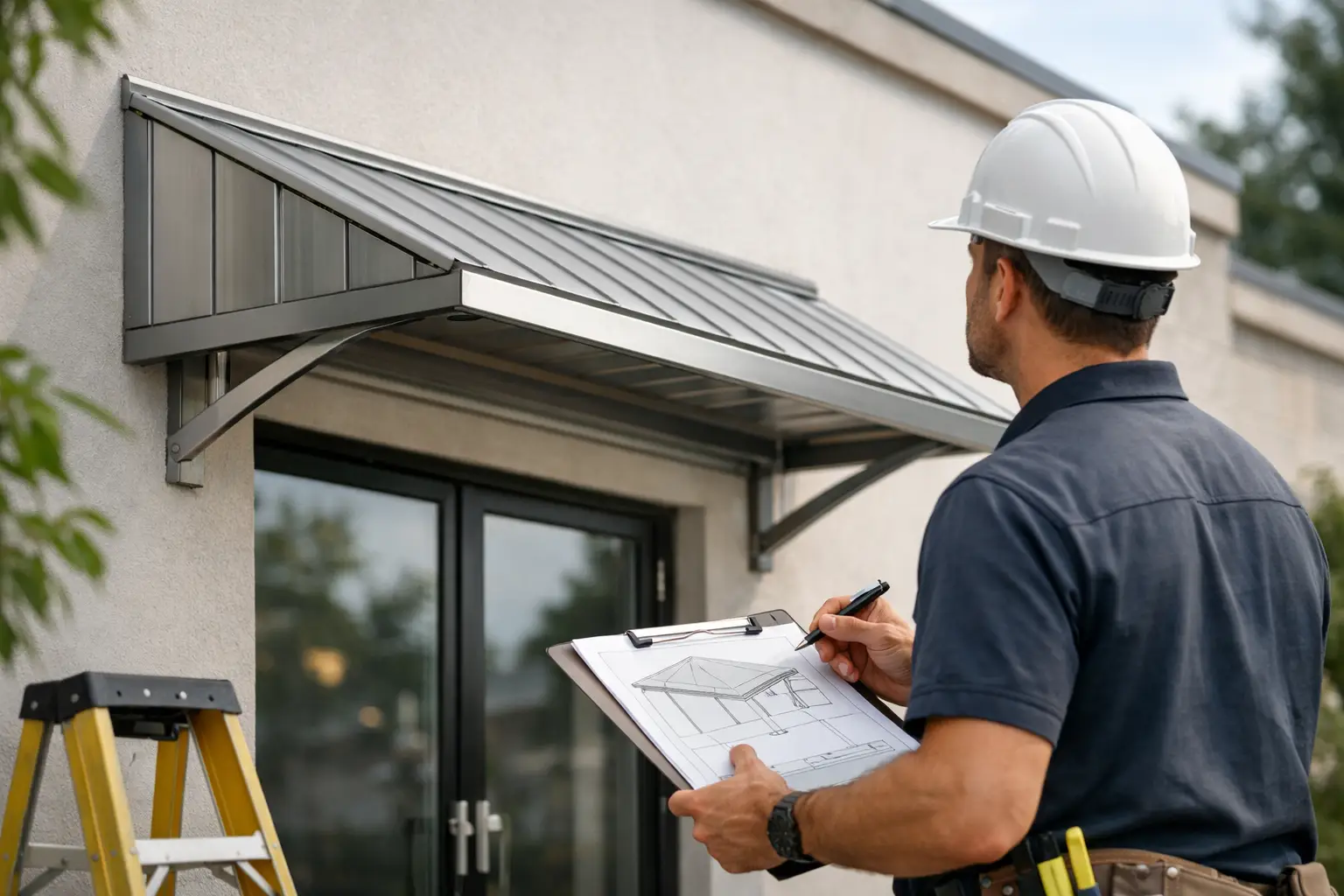
A shopfront awning usually gets ignored until it starts causing trouble. Rust stains on the fascia, pooling water, loose sheeting, movement in high wind, or an old frame that no longer suits the tenancy are all signs it is time to act. If you are working out how to plan awning replacement, the smartest move is to treat it like a live commercial project, not a quick cosmetic swap.
For most commercial sites, awning replacement affects more than appearance. It can affect public safety, weather protection, signage presentation, tenant trading conditions and council or engineering requirements. A clean-looking result matters, but so does getting the structure removed and rebuilt properly, with the right sequencing and the right people involved from the start.
How to plan awning replacement without costly surprises
The first step is being clear on why the awning needs replacing. Sometimes the issue is obvious - corrosion, impact damage, water ingress, or age-related deterioration. Other times the trigger is a refurbishment, a new tenant fit-out, or a change to the frontage that makes the old awning look dated or impractical.
That reason matters because it shapes the whole job. If the existing awning is structurally compromised, the focus needs to be on urgent risk management, demolition safety and compliance. If the awning is still stable but no longer fit for purpose, you have more room to plan around trade hours, design preferences and integration with other works.
It also helps to define what success looks like before you request quotes. For one property owner, that might mean replacing a tired awning with something cleaner and lower maintenance. For a retailer or hospitality operator, it might be about improving street appeal while keeping the entrance protected in wet weather. For a builder or project manager, success usually means a contractor who can coordinate demolition, installation and certification support without slowing the rest of the programme.
Start with the existing structure, not the new finish
A lot of avoidable problems come from focusing too early on colours, cladding or signage panels. Those things matter, but the old awning has to be understood first. Its size, fixing method, structural condition and relation to the building frontage will all affect what can happen next.
An older awning may have hidden corrosion, patch repairs, non-compliant detailing or past modifications that do not show up from ground level. Water damage around connections is common, especially where maintenance has been delayed. In some cases, demolition is straightforward. In others, the removal process needs tighter controls because the structure sits over a pedestrian area or active tenancy.
That is why a proper site inspection matters. A contractor with real commercial awning experience will look beyond the visible sheet metal and ask practical questions. How is it fixed back to the building? Is the frame worth retaining? Is there water damage to surrounding finishes? Will demolition affect the shopfront below? Are there services, signage elements or lighting that need to be disconnected or protected first?
Budget for the whole project, not just fabrication
When clients think about awning replacement, they often price the visible build and forget the surrounding costs. On a commercial site, the final number is shaped by access, demolition, waste removal, traffic or pedestrian controls, structural requirements and the complexity of working over a public-facing frontage.
That does not mean every job becomes expensive. It means the cheapest number on paper is not always the job cost by completion. A realistic budget should allow for safe removal of the existing awning, making good where required, supply and installation of the new structure or cladding, and any engineering or certification support needed for the scope.
Timing also affects cost. If the awning has failed and needs urgent replacement, options can narrow quickly. If you can plan ahead, there is usually more flexibility around materials, staging and access. That often leads to a smoother job and a better result.
Compliance, engineering and approvals are not side issues
For commercial awnings, compliance is part of the job, not an extra to think about later. The exact requirements depend on the building, the street frontage, the proposed design and the local authority expectations. Some replacements are like-for-like. Others involve enough change that engineering review or approvals become more important.
This is one of the biggest reasons to use a specialist rather than treating the awning as a generic metalwork item. A proper contractor will flag likely compliance issues early, instead of leaving them to become a problem mid-project. That includes structural considerations, fixing methods, wind loading, public safety during works and the finish expected for a visible commercial frontage.
If your site is in a busy pedestrian area, planning for public protection is just as important as planning the new structure. Hoarding, exclusion zones, staged demolition and clear work sequencing may all be needed. None of that is glamorous, but it is part of doing the job properly.
Plan around trading conditions and site access
A good awning replacement is not only about what gets built. It is also about how the job is carried out while the site stays safe and, where possible, operational. For shop owners, landlords and property managers, this is often the real pressure point.
If the premises are occupied, you need to work out how the replacement affects customers, staff and deliveries. In some cases, works can be staged to reduce disruption. In others, a short closure is the cleaner option because it allows demolition and installation to happen safely and faster. There is no single rule here. It depends on the frontage, the access, the awning size and how much of the entry zone is affected.
This is where practical experience counts. A contractor who regularly works on active commercial sites will think about footpath management, delivery windows, waste removal, noise, dust and how to keep the site presentable during works. That matters a lot more than polished sales talk when your premises face the street every day.
Materials and design should suit the site
When deciding how to plan awning replacement, it is worth remembering that not every material suits every frontage. A neat finish is important, but durability, maintenance and structural performance matter more over time.
The right choice depends on exposure, span, building condition and the visual standard you want to achieve. A hospitality venue may place more weight on presentation and signage integration. A landlord replacing an ageing awning across multiple tenancies may care more about consistency, maintenance and long-term value. A builder may need a practical scope that fits a wider façade upgrade without clashing with other trades.
This is also where honest advice helps. Sometimes a full replacement is the best call. Sometimes part of the structure can be retained if it is sound and compliant for the intended use. Sometimes a repair buys time, but only if it is genuinely worth doing. No-nonsense advice upfront usually saves money compared with forcing a short-term fix into a long-term problem.
Choose a contractor who understands demolition and rebuild
Awning replacement is not just installation. On many jobs, the risk sits in the removal phase, especially where the existing structure is deteriorated, awkwardly fixed, or positioned above a public area. That is why contractor selection should focus on project delivery, not just fabrication capability.
Ask direct questions. Who handles demolition? How is the site made safe during removal? What experience do they have with shopfront awnings and street-facing commercial work? Can they coordinate with engineers if needed? Are they insured for the type of work being carried out? Will they provide a clear scope so you know what is included and what is not?
A dependable contractor should be able to answer those questions plainly. If the answers are vague, the job may become vague too.
For commercial clients in Sydney, this is often where a specialist such as Advanced Awnings brings value. Not because the work is dressed up as something fancy, but because end-to-end handling, safe demolition and a properly finished replacement make a real difference on active sites.
Build a realistic programme
Even a straightforward awning replacement can be delayed by weather, approvals, access limitations or discoveries during demolition. The best way to manage that is to set a realistic programme from the start and leave some room for site conditions.
Try not to lock your whole frontage upgrade, signage install or tenancy handover to an overly optimistic awning date. Sequence matters. If other trades need access to the façade, the awning works should be coordinated properly so no one is working over the top of someone else.
Clear communication helps here. You want to know when the site will be occupied, what disruption to expect, and what the finish condition will be at handover. A decent programme is not just a date on a quote. It is a practical plan for getting the old structure down, the new one up, and the frontage back into shape.
The best awning replacement projects usually start with a simple approach: inspect the existing structure properly, be honest about risks, budget for the full scope, and choose a contractor who knows how to work safely in front of the public. If you get those parts right, the finished awning tends to take care of itself.