Landlord Guide for Awning Liabilities in NSW
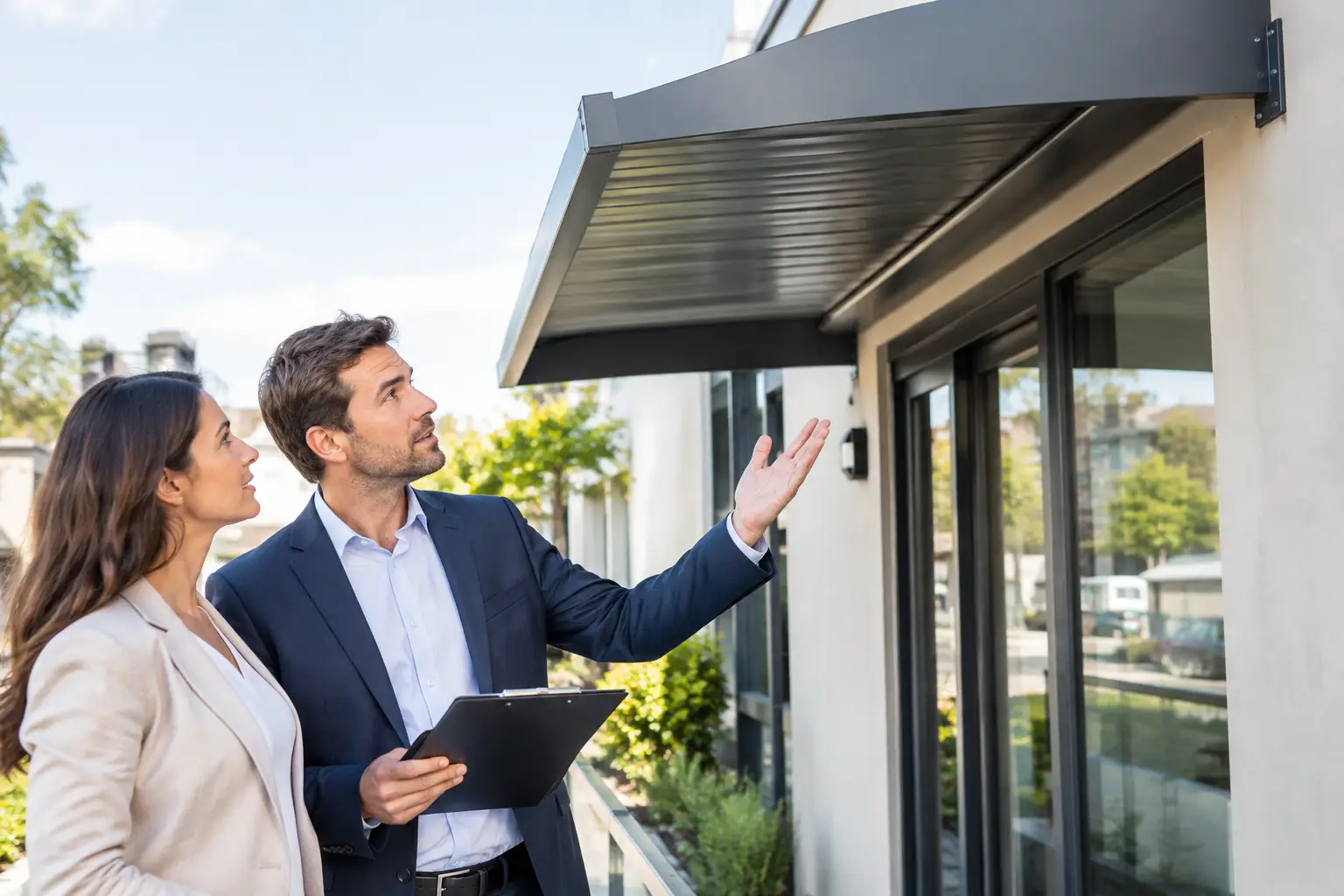
A loose fascia panel over a busy footpath can become a landlord problem long before anyone agrees on who was meant to maintain it. This landlord guide for awning liabilities sets out the practical issues commercial property owners need to manage: public safety, lease responsibilities, approval requirements, insurance and competent repair work.
For a street-facing shop, café or hospitality venue, an awning is not simply a feature of the fit-out. It is a structure fixed to the building, exposed to wind, weather, vibration and regular public activity below. If it deteriorates, leaks, sheds materials or becomes unstable, the owner can face urgent costs, disruption to a tenant and potential claims following an incident.
Why awning liability sits with the property owner
In many commercial leases, the tenant is responsible for day-to-day care of the premises and may be required to report defects or carry out minor maintenance. That does not automatically remove the landlord's responsibility for the building structure or for hazards affecting the public.
The dividing line depends on the lease, the age and condition of the awning, how it was installed and whether the issue relates to tenant damage, a tenant-installed sign, or an underlying structural fault. A tenant may be liable for damage caused by unauthorised fixings, neglected grease build-up or alterations they arranged. However, a corroded support, failed connection, deteriorated roof sheeting or loose cladding on the landlord's original awning is commonly a landlord maintenance issue.
The practical point is simple: do not wait for an argument over the lease if there is an immediate risk over a public area. Make the area safe first, document the issue and then establish responsibility. An incident on a footpath can cost far more than prompt inspection and repair.
Landlord guide for awning liabilities: the main risk areas
Falling materials and structural movement
Loose fascia, cracked sheets, rusted steel, damaged brackets and failed fixings need quick attention. So do visible sagging, movement in strong winds and water pooling on a canopy roof. These conditions can point to a larger problem than a cosmetic repair.
A temporary barricade may be necessary while the awning is assessed, particularly where pedestrians, outdoor diners or customers pass underneath. Do not rely on a tenant placing a chair or sign beneath a suspect section. It does not control the risk or provide a proper record of action.
Water ingress and damage below the awning
Leaking awnings can damage ceilings, shopfront glazing, electrical fittings and tenant stock. The source is not always obvious. Water may enter through failed flashing, joints, roof penetrations, damaged sheeting or the wall connection behind the awning.
Landlords should treat recurring leaks as a building maintenance matter until a proper inspection identifies otherwise. Repeated patching may keep a tenant operating for a short period, but it can conceal corrosion or water damage in the supporting structure.
Unapproved signs, lights and tenant alterations
Retailers often want new signs, lighting, security cameras, heaters or branding fixed to the awning. Each attachment adds weight, penetrations and wind loading. An installation that looks minor can compromise waterproofing or affect the structural behaviour of an older canopy.
Set clear written rules before work begins. Require the tenant to obtain consent, use qualified trades and provide details of the proposed fixing method. Where the awning is older, large, close to a boundary or visibly deteriorated, seek engineering advice before approving additional loads.
Storms, vehicles and third-party damage
Storm debris, impact from delivery vehicles, vandalism and nearby construction works can all damage an awning without making the problem immediately obvious. After an event, arrange an inspection rather than assuming that a dented fascia is the only issue.
Photographs, dated notes, tenant notifications and contractor reports are useful for insurance and for resolving responsibility. Keep records with the property file, including before-and-after photographs where repairs or replacement work has been completed.
Start with the lease, then inspect the structure
The lease should spell out who maintains the premises, who repairs damage, what works need landlord consent and what insurance each party must maintain. It should also address make-good obligations when the tenancy ends, especially where a tenant has attached signage or equipment to the awning.
Even a well-written lease cannot replace a physical inspection. A landlord or property manager should inspect external awnings at sensible intervals and whenever a tenant reports leaking, rattling, movement or loose material. High-traffic shopfronts, coastal sites and older buildings generally need closer attention because exposure speeds up wear.
For an existing defect, ask a specialist contractor to identify whether the work is cosmetic, maintenance-related or structural. That distinction matters. Replacing a damaged panel is not the same as repairing a corroded frame, failed brackets or a canopy that no longer drains correctly.
Approvals, certification and compliant work
In Greater Sydney, awning work may involve council requirements, building approvals, heritage controls, strata requirements or engineering certification. The pathway depends on the property, the scale of the works and whether the awning is being repaired, replaced, enlarged or altered.
Do not assume a like-for-like replacement is exempt from every requirement. Changes to dimensions, materials, signage, supports or how the awning projects over public space can trigger further checks. If an awning encroaches near or over a footpath, the stakes are higher because public safety and council conditions may apply.
For substantial work, use a contractor that can coordinate the practical side of the job: safe access, site protection, demolition, installation and the engineering support needed for the proposed structure. A proper scope should state what is being removed, what is being retained, how the site will be protected and whether certification is required.
Cheap quotes can become expensive when they leave out access equipment, traffic or pedestrian management, disposal, flashing repairs, structural rectification or making good after removal. Compare scopes, not just the bottom-line figure.
Insurance is a back-up, not a maintenance plan
Commercial property insurance and public liability cover are essential, but insurers may examine whether an owner knew about a defect or had reasonable maintenance arrangements in place. Keep current certificates of currency for contractors working on site and check that the scope of their cover suits the work being performed.
If a tenant is responsible for a specific repair or alteration under the lease, ask for evidence of their required insurance as well. This is particularly relevant for tenant signage, outdoor dining equipment or other items connected to the awning.
Insurance wording differs between policies, so obtain advice from your broker or insurer about the cover you actually hold. It is better to clarify this before a storm, injury or property damage claim puts pressure on the situation.
A practical response when a defect is reported
When a tenant reports an awning issue, acknowledge it promptly and ask for photos, the exact location and whether the area is above a public path, entry or outdoor seating. If there is any chance of falling material or instability, arrange immediate risk controls and an urgent inspection.
Then record the report, inspect the awning, obtain a clear written scope and advise the tenant of the timing and any access restrictions. If work affects trading, plan it around the site where reasonably possible, but do not delay safety-critical repairs for convenience.
For major deterioration, replacement can be the better long-term decision. Repairs make sense when the frame is sound and the fault is isolated. Where corrosion, poor drainage and repeated patching are widespread, replacing the affected awning can reduce ongoing risk and give the premises a cleaner, more dependable street presence.
Choosing the right contractor for the job
Awning work above a live shopfront is specialist work. Ask how the contractor will secure the area, protect pedestrians and neighbouring premises, manage demolition, deal with concealed damage and complete weatherproofing at the building connection. Confirm their insurance, experience with commercial awnings and capacity to arrange engineering certification where needed.
Advanced Awnings works with commercial property owners and managers on repairs, demolition, replacement and new shopfront awnings across Sydney. The job should be quoted clearly and carried out with public safety, durable workmanship and the tenant's operation in mind.
A well-maintained awning is one less source of friction between landlord and tenant. Deal with small defects while they are still manageable, keep the paperwork in order and use experienced people when the work affects the structure or the public below.