
Fabric Versus Metal Shop Awnings Compared
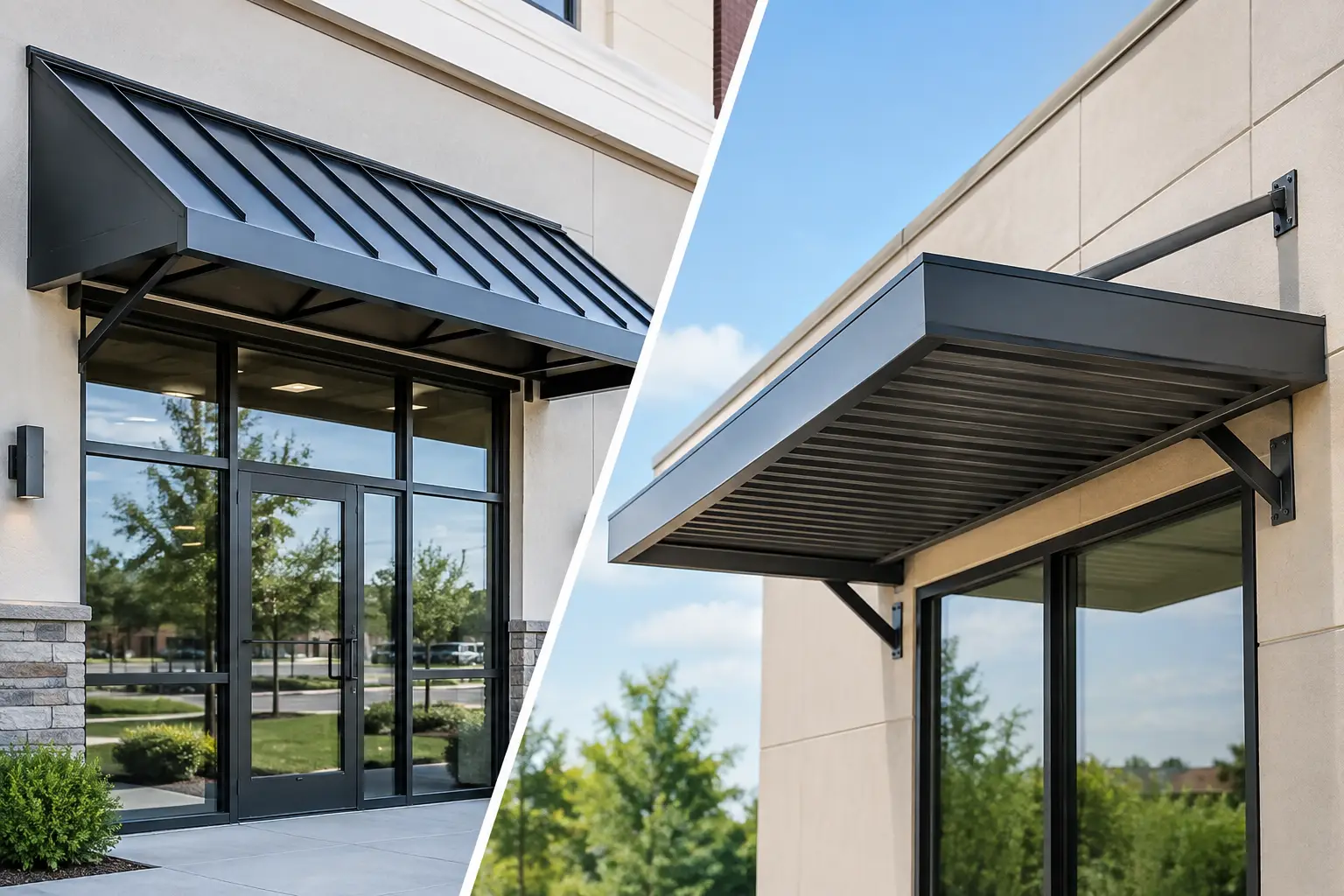
A shop awning has to do more than look tidy above the window. It needs to protect customers on the footpath, handle Sydney weather, suit the building, and remain a safe, serviceable part of the frontage for years. When weighing up fabric versus metal shop awnings, the better option is not always the one that looks best in a brochure. It is the one that matches the site, the trading conditions and the level of ongoing maintenance the owner is prepared to manage.
For a small boutique, a café with outdoor tables and a high-traffic retail tenancy, the answer can be different. The right decision starts with the structure behind the finish.
Fabric versus metal shop awnings: the practical difference
Fabric awnings are typically chosen for their softer appearance, flexible design options and ability to add colour, branding or a more traditional streetscape feel. They can suit cafés, heritage-style shopfronts, specialty retailers and businesses where the frontage needs to feel welcoming rather than industrial.
Metal shop awnings are built as a more permanent canopy structure. Depending on the design, they may use steel framing, Colorbond roofing, aluminium cladding or other commercial-grade materials. They are commonly selected where reliable all-weather protection, long spans and a hard-wearing finish matter most.
That simple distinction affects almost every part of the job: engineering, fixings, drainage, repair requirements, access during installation and the final visual result. A quality outcome depends on proper site assessment, not simply picking a material from a colour chart.
When fabric makes sense
A fabric awning can give a shopfront character without the visual weight of a fixed metal canopy. For businesses in hospitality and retail, this can be valuable. A well-selected fabric can soften a glass-heavy frontage, provide useful shade and create a clear point of difference from neighbouring tenancies.
Fabric also offers strong branding potential. Colours, stripes, valances and printed graphics can help customers identify a premises from the street. If branding changes regularly, a fabric solution may be easier and less costly to refresh than altering a fixed metal structure.
There are practical limits. Fabric is exposed to ultraviolet light, wind, rain, dust, bird activity and general street grime. Even quality commercial fabrics will age, and lighter colours can show staining sooner. In a busy area, trees, traffic pollution and moisture can shorten the time between cleans.
Retractable fabric systems can be useful where sun control is the main goal, but they are not a substitute for a properly designed fixed awning where constant weather protection is required. They also need to be operated sensibly in strong winds and maintained so mechanisms, arms and brackets stay in sound condition.
Fabric works best when appearance and adaptable shade are high priorities, and when the owner accepts that periodic cleaning, re-tensioning or eventual fabric replacement is part of ownership.
Where metal shop awnings earn their keep
For many commercial premises, metal is the more practical long-term choice. A fixed metal awning provides dependable cover over entries, display windows and customer areas. It can be designed to suit the building facade, accommodate lighting or signage, and manage water runoff with proper fall, flashing and drainage.
This matters on active frontages. Water dripping from an awning edge onto the footpath is not just irritating for customers. It can create a slip risk and make the whole frontage look poorly maintained. A well-built metal canopy considers where water goes, how it leaves the roof, and whether the existing building can properly support the structure.
Metal is also generally better suited to larger projections and heavier-duty commercial applications. A restaurant entry, supermarket tenancy, medical centre or multi-shop strip may need a canopy that performs every day with minimal intervention. The initial investment can be higher than a basic fabric option, particularly where engineering and complex access are involved, but the service life and protection can justify it.
That does not mean metal is maintenance-free. Paint finishes can fade or chalk over time, fixings need checking, gutters can collect leaves, and corrosion can develop if water is allowed to sit or incompatible materials are used. Regular inspections and prompt repairs remain good property management.
Appearance is still part of the job
Some owners worry a metal awning will make a frontage look heavy. It can, if the design is oversized, poorly proportioned or disconnected from the building. But a clean fascia, considered colour selection and suitable projection can produce a sharp commercial finish that complements the tenancy rather than dominates it.
The same applies to fabric. A fabric awning may look smart on day one, but loose material, faded colour or damaged valances quickly pull down the appearance of the whole shopfront. The material choice needs to support the standard you want customers to see six months and five years after installation.
Safety, approvals and the existing structure
The most important question is often not fabric or metal. It is whether the proposed awning can be fixed safely to the building and installed without creating risks to the public, tenants or workers.
Older shopfront awnings can hide corrosion, water damage, deteriorated timber, failed fixings or unapproved alterations. Before replacement, repair or demolition, the existing structure should be assessed properly. Removing a canopy over a public footpath requires controlled work, suitable access, site protection and a clear plan for managing falling-material risks.
A new metal awning may require engineering input because it places loads on the building and must withstand wind conditions at the site. Fabric systems also require sound brackets and structural fixing points. The fact that fabric is lighter does not remove the need for proper design and installation.
Approvals and certification requirements vary depending on the property, the scope of work, heritage considerations, council requirements and whether the awning extends over public space. Landlords, builders and property managers should confirm these details early. It is far cheaper to identify a structural or approval issue before materials are ordered than after a crew arrives on site.
For tenanted commercial properties, access and timing matter as well. Work may need to be staged around trading hours, pedestrian traffic, deliveries and neighbouring businesses. A contractor experienced in shopfront work understands that the installation is only one part of the job. Keeping the area safe and the disruption controlled is equally important.
Cost: look beyond the quote total
Fabric is often cheaper upfront for smaller, straightforward installations. Metal can cost more because the system may involve fabricated steelwork, roofing, guttering, flashing, engineering and more detailed installation work. But comparing only the initial figure can give a misleading result.
Consider the expected lifespan, cleaning needs, likely repair costs, exposure to weather, branding requirements and the consequence of failure. A café that relies on covered outdoor seating may lose trade when its awning is damaged or leaking. In that case, investing in a permanent metal canopy can be the more economical decision over the life of the asset.
On the other hand, a retailer in a protected arcade may not need a heavy fixed structure. A quality fabric awning could deliver the shade and visual lift required without overbuilding the frontage.
Ask for a clear scope that identifies demolition, disposal, structural repairs if required, installation, finishing details and any engineering or certification allowances. Vague pricing can leave owners exposed to variations once hidden conditions are uncovered.
Repair, replacement or a fresh start?
Not every tired awning needs full replacement. A fabric cover may be able to be renewed while retaining a sound frame. Minor metal awning issues, such as damaged sheets, failed flashing, blocked drainage or surface corrosion, can sometimes be repaired before they become larger structural problems.
Replacement is usually the better path when the frame is corroded, the fixings have failed, water has damaged the wall connection, or the existing awning no longer suits the premises. Patching a structure that is beyond its service life can cost more over time and leave a visible compromise above the entry.
A proper inspection should separate cosmetic issues from structural ones. That gives the owner a practical choice instead of a quick fix that simply delays the next problem.
Choosing the right awning for your frontage
Choose fabric when the design calls for flexible shade, visual warmth and clear branding, and the site is reasonably protected from harsh exposure. Choose metal when you need a permanent commercial canopy, reliable rain protection, stronger durability and a structure that can be tailored to the building.
For many Sydney shopfronts, the decision comes down to exposure and use. A sunny western-facing café frontage, a windy corner site or a busy entry with constant pedestrian traffic places very different demands on an awning than a sheltered retail strip.
The sensible next step is to have the existing frontage assessed before committing to a material. A contractor who understands shopfront awnings can identify the condition of the building connection, likely drainage issues, access requirements and whether engineering support is needed. That groundwork helps ensure the finished awning looks right, performs properly and gives customers a safer, more welcoming place to walk in.