
Hospitality Awning Solutions That Work Harder
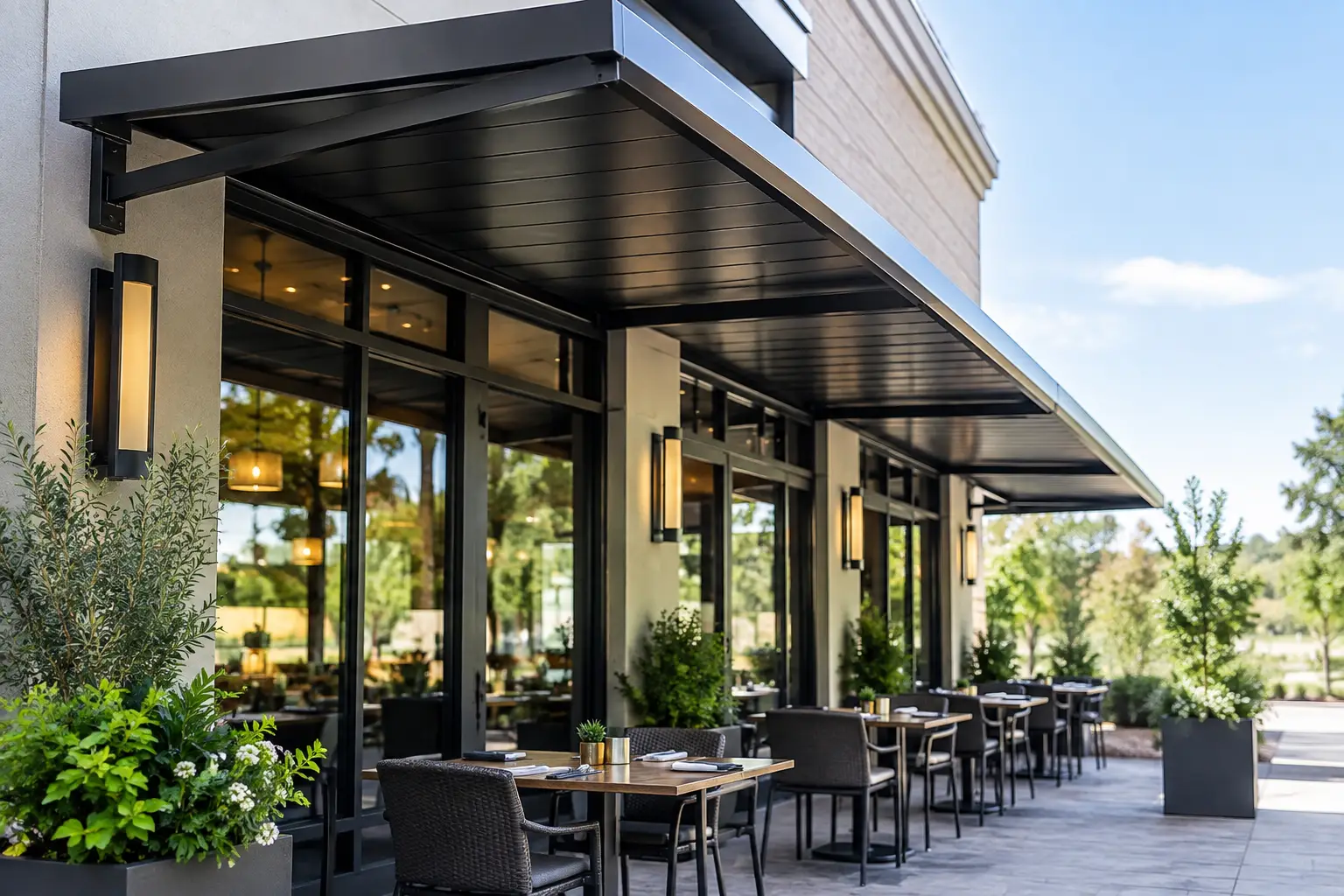
A busy café terrace can lose covers, comfort and trade in one hard afternoon of sun or rain. Well-planned hospitality awning solutions give customers a reason to stay longer, protect the entry from the weather and make a venue look properly established from the street. But for a working hospitality site, an awning is not just a shade product. It is part of the building, part of the customer experience and, often, part of a compliance conversation.
For cafés, restaurants, pubs and takeaway venues, the right result comes from practical planning before materials are ordered. The structure needs to suit the frontage, stand up to local conditions and be installed with public safety in mind. It also needs to be built around how the venue actually operates, including deliveries, footpath traffic, outdoor seating and daily opening hours.
What hospitality awning solutions need to achieve
A hospitality awning has several jobs to do at once. It should provide useful cover without making the frontage feel dark or boxed in. It should improve the appearance of the premises while leaving clear access for customers, staff and suppliers. Most importantly, it must be structurally sound and appropriate for its position on the building.
For a street-facing venue, the awning can be one of the first things people notice. A faded, damaged or poorly proportioned canopy can make an otherwise well-run business look neglected. A clean, well-finished shop front awning creates a stronger first impression and gives the premises a clear visual edge, particularly where neighbouring businesses are competing for passing trade.
Weather protection is equally practical. Cover at the entrance helps keep wet footpaths, doorways and waiting areas more manageable during rain. Shade can make outdoor tables more usable through warmer months. The benefit depends on orientation, surrounding buildings and the size of the covered area. An awning that looks good on a drawing but misses the afternoon sun may not give the venue the result it needs.
Start with the site, not the product
There is no single awning style that works for every hospitality business. A narrow inner-city shop front has different requirements from a corner pub, a suburban restaurant or a café with a wide outdoor dining area. The best approach starts with a proper look at the existing building and the public area around it.
The condition of the facade matters. Older awnings may have hidden corrosion, water damage or deteriorated fixings behind cladding and signage. In some cases, repair is the sensible option. In others, replacement is safer and more cost-effective over the long term. Patching a structure that has reached the end of its service life can simply push the bigger problem down the track.
Access also matters. If work is above a busy footpath, near outdoor dining or over a public entry, the installation needs to be planned around pedestrians and trading hours. Safe work zones, controlled demolition where required and clear site management are not extras. They are part of doing commercial awning work properly.
Fixed canopies for dependable cover
Fixed shop front canopies are a common choice where a venue needs permanent protection over an entry, windows or external seating edge. They can be designed to suit the building line and finished to complement signage, colours and the broader fit-out.
A fixed structure usually makes sense when the venue wants reliable all-weather cover and does not need to retract the awning. It can also provide a more substantial look than lightweight alternatives. The trade-off is that permanent structures require careful design, correct fixings and consideration of drainage, wind exposure and head clearance from the outset.
Retractable options where flexibility matters
Retractable awnings can suit areas where a venue wants the choice of open sky at certain times and shade at others. They are often considered for outdoor dining spaces, courtyards and side areas rather than as a replacement for every shop front canopy.
They can be useful, but they are not automatically the right answer. Mechanisms need regular care, fabric has a service life and the system must be used appropriately in poor weather. For exposed sites, a fixed solution may offer better long-term certainty. The right choice comes down to the location, the operating habits of the venue and the level of protection required.
Compliance and certification should be addressed early
Hospitality operators often have enough on their plate without discovering late in the job that an awning needs further engineering input or council consideration. Early planning reduces that risk. Where required, engineer's certification support should be organised as part of the project rather than treated as an afterthought.
Requirements vary according to the building, awning size, location and scope of work. A replacement is not always as simple as removing the old structure and putting a similar one back. Existing conditions may have changed, the old structure may not meet current expectations, or the proposed design may alter loads and fixing details.
For landlords and property managers, this is particularly important. A street-front awning is a visible asset, but it also creates responsibilities. Keeping records of inspections, repair work and certification where applicable helps demonstrate that the property has been maintained with due care.
Repair, replacement or demolition?
The correct scope should be based on condition, not guesswork. Surface rust, loose sheets, damaged fascia, failed gutters and worn paint can sometimes be repaired before they turn into larger issues. Regular attention can extend the life of a sound structure and keep the frontage presentable.
However, there are signs that a more serious response may be needed. Water staining around connections, visible sagging, severe corrosion, unstable supports or recurring leaks should not be ignored. These problems can affect more than appearance. They can create risks to patrons, staff and pedestrians below.
When demolition is required, it needs to be controlled and planned. Removing an old commercial awning above a public area is specialised work. The site must be secured, the structure dismantled safely and the facade left ready for the next stage. This is not a job for shortcuts, especially when a venue is trying to keep trading around the work.
Keep the venue operating where possible
Closing a hospitality business for building work is costly, so staging matters. A good contractor will discuss access, delivery times, noisy work, temporary protection and the safest way to manage the public while the job is underway. Sometimes work can be scheduled around quieter periods. Other times, a short closure of a specific area is the safer and more efficient option.
Clear communication makes a major difference. The operator, builder, landlord and contractor should understand what will happen each day, where equipment will be located and when customer access could be affected. It avoids surprises and helps staff give customers accurate information.
For projects in Greater Sydney, conditions can change quickly on a busy street. Parking restrictions, footpath use, neighbouring tenancies and weather can all affect the programme. Allowing for these realities early helps keep the work controlled rather than rushed.
Choosing a contractor for hospitality awning work
The lowest quote is not always the lowest risk. Commercial awning work sits at the intersection of construction, public safety and visual presentation, so experience matters. Look for a contractor that understands shop front structures, can explain the proposed scope plainly and is properly insured for the work being carried out.
It is also worth asking how the contractor will handle existing damage, demolition if required and engineering support. A clear quote should identify what is included, what assumptions have been made and where site conditions may affect the final scope. That is more useful than a vague figure that leaves important details unresolved.
Advanced Awnings works with hospitality operators, landlords and commercial clients who need practical awning installation, repairs, replacement and safe removal work. With more than 20 years of shop front awning experience, the focus is simple: assess the job properly, communicate clearly and finish the work to a standard that holds up.
A well-built awning should support the way your venue trades, not become another maintenance issue waiting in the background. If the frontage is looking tired, leaking or unsafe, arranging an on-site assessment before the next busy season gives you more options and a better chance to plan the work on your terms.